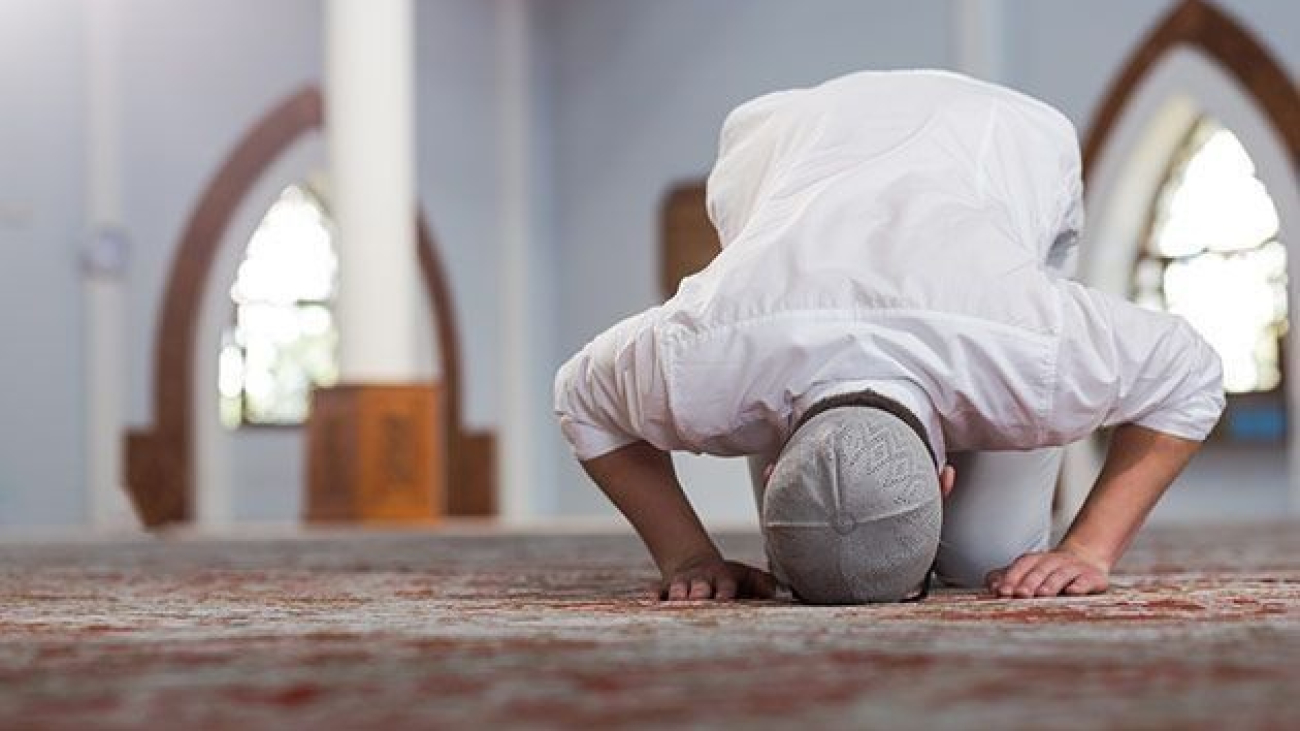
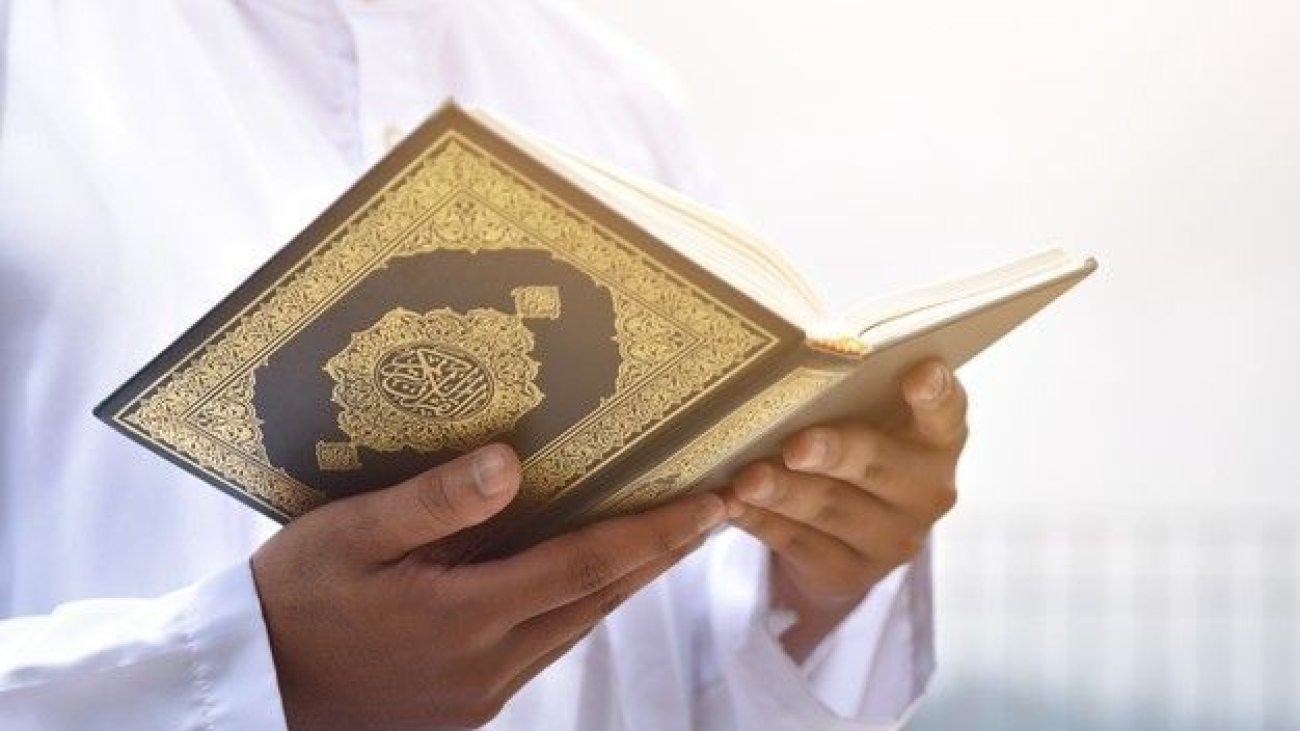
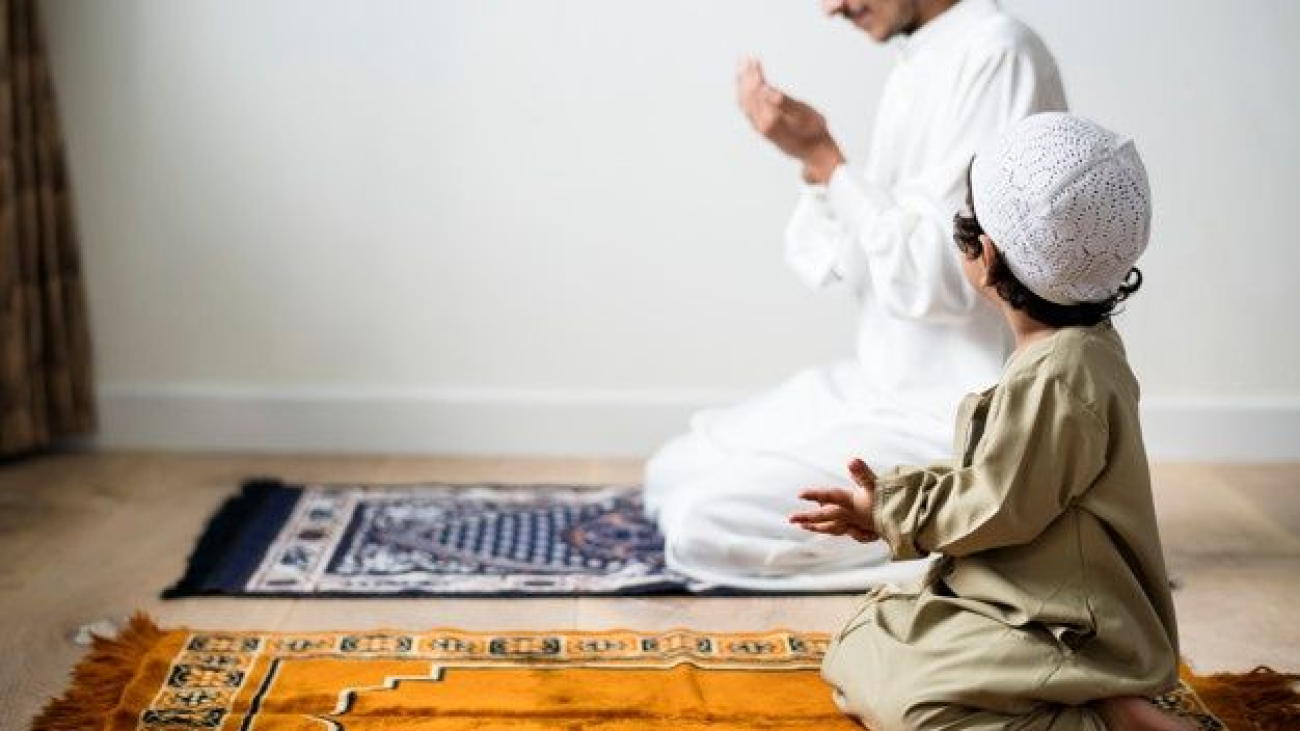
Close up of Middle Eastern man praying while sitting on traditional prayer mat at home.

Let’s Begin with Gratitude

Before the fast begins, before the nights fill with Qur’an and duʿāʾ, before our hearts tremble with hope and fear—let us begin with gratitude.

Gratitude to Allah, the Most Merciful, who chose us to witness another Ramadan while many souls were returned to Him since the last. Gratitude for life in our veins, īmān in our hearts, and the gentle knock of this blessed month upon our doors.

Ramadan is not guaranteed. It is a gift—unearned, undeserved, yet lovingly bestowed. To wake up knowing we will fast again, prostrate again, weep again in sujūd, and whisper our secrets to Allah in the quiet of the night is a mercy beyond measure.
How many wished for just one more Ramadan?
How many planned to change “next year” but never arrived? Yet here we are—invited once more.

Gratitude humbles the heart. It reminds us that Ramadan is not a burden, but an honor. Not a routine, but a rare appointment with Allah. Every hunger pang is a reminder that we are alive to worship. Every sunset call to ifṭār is a testimony that Allah sustained us through another day. Every night prayer is proof that He still wants to hear our voices.

When we begin Ramadan with gratitude, our worship deepens. We fast not merely from food, but from heedlessness. We pray not out of habit, but out of love. We repent not casually, but with broken hearts—thankful that the door of tawbah remains wide open.

Let gratitude soften us. Let it cleanse our intentions. Let it silence complaints and awaken awe. For gratitude transforms Ramadan from a calendar month into a sacred journey—one that reforms hearts, renews souls, and redraws our relationship with Allah.

So as the moon is sighted and intentions are made, whisper sincerely:

O Allah, thank You for allowing me to reach Ramadan. Thank You for not giving up on me. Help me worship You in a way that pleases You, and accept it from me.

Begin with gratitude—and let Ramadan change you.

Umm Sumayyah Mai

Free Photo _ Lantern and a Book on a Table for Ramadan Kareem Muslim Pray Time_

Ramaadan Time Table

1 . Observe Qiyam Layl
Seek Allah’s s forgiveness during this period. Read the Quran and reflect on the meaning (Tafsir Ibn Khathir). Make lots of lstigfaar.

2.  Say your (Morning & Evening) AdKhar

3 . Observe Solatul Dhuha
Make lots of Dua for yourself and your family. Remembrance of Allah at this time is essential.

4.  Do not forget the Rawatib.
The Prophet ﷺ said:
“Allaah will build a house in Heaven for whoever is diligent in observing 12 Sunnah Rak’aat (as follows): 4 Rak’aat before and 2 after the Dhuhr (Midday) Prayer, 2 after the Maghrib (Sunset Prayer), 2 after the Ishaa (Evening) Prayer, and 2 before the Fajr (Dawn) Prayer.”
[Hadith sahih narrated by at-Tirmidhi No. 379 and by others. Hadith No. 6183 in Sahih al-Jaami].

5.  Read the Quran after every Solaawat, the better.

The method of completing the Qur’an in (30 days) every day, involves completing a portion of the Qur’an

Al-Fajr: 4 Pages
Zuhur: 4 pages
Al-Asr: 4 pages
Magrib: 4 pages
Isha: 4 pages

The method of completing the Qur’an (15 days) every day has two parts
Al-Fajr: 8 Pages
Zuhur: 8 pages
Asr: 8 pages
Magrib: 8 pages
Isha: 8 pages

The method of completing the Qur’an in (12 days) is two and a half parts every day
Al-Fajr: 10 Pages
Zuhur: 10 pages
Asr: 10 pages
Magrib: 10 pages
Isha: 10 pages

The method of completing the Qur’an (10 days) every day has three parts
Al-Fajr: 12 Pages
Zuhur: 12 pages
Asr: 12 pages
Magrib: 12 pages
Isha: 12 pages

This program is for people of high determination
The method of completing the Qur’an for (6 days) every day has five parts
Al-Fajr: 20 Pages
Zuhur: 20 pages
Asr: 20 pages
Magrib: 20 pages
Isha: 20 pages

6.  Listen to beneficiary lectures and perhaps Fiqh of Ramadhaan.

7.  Listen to Audio Q’uran recitation while you are walking, cleaning, and even when on the wheel.

8.  Read & Memorize some portion of the Quran & Hadith and or your chosen Islamic Books.

9.  Listen to or attend the Tafseer of the Quran lecture. Learn or read to know the meaning of the Quran. Ramadhan is the month of the Quran.

10. Be close to the Masjid the better.

11. Make Lots of Du’a
Make a list of your wants. And be optimistic about them. Allah answers prayers.

12. Go to Umrah, the best.
Umrah (performed) in Ramadan is equal to Hajj (in reward). Al-Bukhari and Muslim

Allahuma Balignaa Ramadaan!

Lantern that have moon symbol on top and small plate of dates fruit with night sky and city bokeh light background for the Muslim feast of the holy month of Ramadan Kareem.

Ramadan is Almost Here!

I could not be happier. The Month of Allah is upon us, and our hearts are filled with excitement as we prepare to welcome it.

As Ramadan approaches, what are you planning for yourself and your loved ones? What intentions are you setting? What habits are you ready to leave behind? What duʿā’ have you been waiting to whisper in the last third of the night?
If anything is weighing heavily on your soul, be calm. Be hopeful in the Mercy of Allah.

Ramadan comes as a healer — a gentle reminder that no sin is too great for forgiveness, no heart too broken for repair, and no servant too far to return.

I can feel the serenity settling in my chest.
I can feel the love Ramadan carries for us.
I can feel the doors of mercy slowly opening.
This is the month of the Qur’an.
The month of forgiveness.
The month of renewed beginnings.
The month where tears fall softly and hearts rise higher.

O Allah, allow us to reach Ramadan.
Allow us to witness Laylatul Qadr.
Allow us to fast with sincerity and pray with humility.
Cleanse our hearts. Strengthen our īmān. Unite our families. Accept from us.
O Allah, we are grateful.

Thank You, Allah. Only You deserve all praise.
Let this Ramadan not pass us unchanged. Let it transform us — in our character, our worship, our patience, and our love for one another.
May we enter it with hope and leave it forgiven.

Āmīn.

Umm Sumayyah Mai

istock_000023897960small

Make a Difference, Be a Positive Influence

In a society filled with fitna and detachment from the reality of death and resurrection, and the accountability that comes with standing before Allah one day, it’s crucial to be a Ghuraba, even if you’re the only one. The boundaries some of us are crossing shouldn’t be emulated by the rest of us. The truth is, you’re not like them, and they’re not like you. What makes you unique is your obedience to Allah, even when it’s apparently difficult.

I live in the West and work as a Registered Nurse in a reputable hospital. I’m always the only one who comes to work fully dressed in a long skirt, accompanied by a long undertop and a uniform blouse with hijab and niqab. I interact with everyone respectfully, without fear or intimidation, and speak clearly and convincingly when needed.

What am I driving at?

As a Muslimah, always be conscious of your environment and accountable for what you stand for. It’s easy to follow the crowd and get distracted without realizing it. Instead, ask yourself: ‘Is my action in line with what my religion stands for?’ If you acknowledge that an action doesn’t align, promise yourself not to do it, even if thousands are doing it. Be the change; be the one different from the thousands. Show bashfulness when it’s least expected of you.

By Allah, you’ll be what Allah wants you to be. Your success and sustenance depend solely on Him. Be a Ghuraba in the face of fitna. May Allah keep us steadfast and accept all our sacrifices for Islam.

– Umm Sumayyah Mai

Divorce Can Be Extremely Tough

Beyond the emotions of letting go of someone you once loved, the struggles of getting it right the second time can be overwhelming. Watching a sister share her recent divorce struggles on YouTube, I felt her pain deeply.

People choose divorce for their own reasons, and it’s not our place to question them. While I advocate for patience and perseverance when issues can be resolved, I’ve seen those grateful for their decision to leave and those who wish they hadn’t. What’s even more heartbreaking are those whose new marriages don’t work out either. May Allah protect us.

Know that Allah is aware of your plight; don’t stop asking Him for the best. If reconciliation is possible and you can forgive each other, your sacrifice will be rewarded in both worlds. However, prioritize your safety if you’re in an abusive marriage. Let’s emphasize the importance of emotional kindness, especially for our men. May Allah ease this sister’s affairs and grant her the best.

– Umm Sumayyah Mai

The Affairs of This Life

I was having a conversation with someone today, and as we talked, she mentioned her father passed away when she was 10. I shared that mine was 11. This exchange made us reflect deeply on our time in this world.

While these humble men have long gone, we humans seldom remember our own mortality and the accountability that awaits us. Life is temporary. For every action or deed, try to purify your intention and do it solely for Allah’s sake.

Don’t overlook opportunities to help others as much as you can. Be someone who wishes good for others. Let Allah and people know you care, and that your heart isn’t consumed by worldly pursuits. Live generously, giving in cash and kind to the vulnerable and poor. May we end well.

– Umm Sumayyah Mai

Know His Or Her Antecedents

Humans are born with flaws and shortcomings, and we all carry them. There’s no perfect being; we make mistakes and repent. However, when it comes to marriage, it’s crucial to know your partner’s background and antecedents.

Someone asked with apprehension, How can I identify someone with the fear of Allah? This question can be challenging to answer, as many people present themselves in a certain way. Only Allah knows the truth about someone’s character – whether their public and private lives align with truthfulness.

Marriage involves more than just good impressions. To truly know someone, consider their associations, relationships, and interactions. The Prophet emphasized the importance of knowing a person’s character by observing how they interact with others, such as business associates, travel companions, and close friends.

When evaluating a potential partner, be diligent in your prayers and seek guidance from your parents and sincere advisors. Ask yourself: Is this person truly good for me, despite any red flags? May Allah assist you in making wise decisions.

– Umm Sumayyah Mai

Reflection on A Scholar’s Sermon

I’m still reflecting on our Shaykh Al-kutubi’s recent video on marriage and the fear of Allah. He emphasized the importance for young sisters to prioritize a righteous, God-fearing partner over someone who appears knowledgeable but lacks Taqwa. While knowledge is essential, it’s crucial to look beyond a man’s eloquence or fluency in Arabic and or the Quran.

Before marriage, investigate thoroughly. Marriage is a lifelong commitment, not a game. Ensure you’re saying ‘I do’ to a man who values and respects you, not someone who’ll marry you for a fleeting moment and discard you. Being divorced in such a situation is not fun!

To my sisters who’ve experienced divorce, don’t rush into another relationship because someone seems popular or charming. Instead, assess their character and fear of Allah. Are they genuinely committed to your well-being, or do they just want to take advantage of your vulnerability?

Be wise, and don’t be swayed by sweet talk. May Allah ease our affairs and guide us toward what’s best.

– Umm Sumayyah Mai

Marriage Can Be a Test of Faith

Life is a trial, and marriage can be a test of faith. What’s crucial is to marry someone who fears Allah. Unfortunately, the fear of Allah we preach to our sisters isn’t always reflected in some of our men. These sisters often end up questioning the faith we encouraged them to have. Could it be that some men pretend to have this fear but don’t truly possess it?

The foundation of marriage is built on love, deen, and compatibility. Marriage is half of our deen, and we must live with one another honorably. What do we call a man who neglects his pregnant wife simply because she’s offended him? Where is the love in such a man’s heart? Where is the fear of Allah? Why would someone impregnate a woman and leave her to care for the pregnancy and baby alone? That is humiliating and disheartening!

On the other hand, marriage has taught me valuable lessons about patience, perseverance, and endurance. It’s taught me that trials can come in marriage and that I shouldn’t dismiss opportunities for counseling and guidance from those who’ve experienced similar challenges. Marriage has also shown me that it’s not always easy and that comparisons with others’ relationships are unfair. Marriage has taught many of us to learn from our mistakes and advise others not to rush into or out of marital challenges without careful consideration. Perhaps life is a trial, and things can still be resolved if both parties are willing to work on their issues.

Those who think they’re superior to their spouses could benefit from humility and fearing the Most High. Marriage has also been a blessing for women who remain faithful despite being tested by unfaithful spouses. Allah may replace the unfaithful spouse with someone better.

When Allah tests you in your marriage, don’t make a rash decision. There are many factors to consider before closing all doors. Will the next man be better than your previous husband? What about his faith and fear of Allah?

If you plan to divorce your husband because he married another woman and you have children, you need to weigh the chances of finding a man willing to accept children. You may likely end up in a similar situation again (getting married to an already married man). In all, prayers are necessary, and do not always base your judgment on emotions. May Allah ease the affairs of our homes and guide us to nurture our relationships with love and care.

– Umm Sumayyah Mai

How Much She Missed Her Husband

If a widow were asked how much she misses her husband, she might not stop crying, and perhaps she won’t remember the bad times. All she’ll want to recall is his good side. The thought of not seeing him again is sorrow, pain, and agony enough. She would have forgiven him, and instead, she misses him, especially if he had left her with multiple children.

This should be the same in marriage. Recognizing that no one is flawless except Allah is enough to forgive our hurts. Especially if our spouse feels remorseful and wants to make amends at all costs. If Allah blesses you with a good spouse and an issue arises in your marriage, try to see the good side of your spouse and don’t close all doors. Marriage requires forgiveness, sacrifice, patience, and endurance. No one on earth is flawless, and our spouses will inevitably have flaws. We must learn to overlook some of their flaws and forgive them for the sake of Allah.

This advice isn’t for spouses who don’t care about the relationship, but for those who are sincerely working hard to make it work. May Allah ease the affairs of our homes.

– Umm Sumayyah Mai