e7bde8c060f66a5759dc11cb5e515950

My Du‘ā’

O Allah, I have submitted myself to You. I am Your servant, the daughter of Your servant. I am but a sinner in need of Your mercy. I humble myself before You—please forgive all my sins, both apparent and concealed, the first of them and the last.

O Allah, Paradise is true and the Hellfire is true. Do not disgrace me on the Day of Judgment. Conceal my faults in this world and the Hereafter, and accept my sincere repentance, Yah Rabb al-‘Ālamīn.

O Allah, forgive my husband with a forgiveness that leaves no sin behind. Cleanse his record, erase his faults, and replace every mistake with multiplied good deeds. Overlook his shortcomings, pardon his errors, and do not hold him to account for what he did in weakness, forgetfulness, or hardship.

O Allah, soften his heart and expand his chest with light and tranquility. Remove from him anxiety, heaviness, and hidden burdens. Put nūr in his heart, nūr in his tongue, nūr in his actions, and nūr in his path.

O Allah, expand his rizq in ways that are pure, halal, and blessed. Open for him doors he never imagined. Put barakah in his earnings, his time, his strength, and his efforts. Make him independent of people and rich through You alone.

O Allah, have mercy on my parents, forgive their sins, and elevate their ranks among the righteous. Reward them for every sacrifice they made for me and accept their good deeds with multiplied reward. Fill their hearts with light, grant them good health and strong īmān, protect them from the punishment of the grave, and grant them Jannatul-Firdaws without reckoning. Be pleased with them and envelop them in Your vast mercy.

O Allah, bless all my children with retentive memories, beneficial knowledge, righteous character, firm īmān, and piety. Make them a source of comfort to my eyes in this world and a source of ongoing reward for me in the Hereafter. Above all, grant them Jannah without account.

O Allah, purify my intentions and allow me to do all that I do sincerely for Your sake alone. Accept my ṣalāh, my fasting, my charity, my du‘ā’, and every act of worship I offer to You.

O Allah, grant me the blessing of witnessing Laylatul-Qadr. Forgive me on that night, decree goodness for me, and cleanse my heart from enmity, hatred, jealousy, arrogance, and hypocrisy.

O Allah, rank me among Your sincere and righteous servants. Keep my heart firm upon Your religion. Allow me to live long in obedience to You and let my final deeds be my best deeds.

O Allah, grant me the honor of meeting Rasūlullāh ﷺ at his Hawd and the immeasurable gift of gazing upon Your Noble Face in the Hereafter.

O Allah, save me from the Hellfire, for it is a terrible destination. Do not make me among those who enter it even for a moment before Jannah.

O Allah, keep my feet firm upon righteousness. Make me steadfast in trials, patient in hardship, grateful in ease, and sincere in private and in public.

O Allah, let death come to me only when You are pleased with me and while I am in a state of complete submission to You.

O Allah, You are my Lord, and You know me better than I know myself. Help me settle my debts, remove financial burdens from me, grant me lawful sustenance, and place barakah in all that You provide.

O Allah, make Hajj easy for me and for everyone longing to visit Your Sacred House. Invite us as your honored guests and accept it from us as a Hajj Mabroor.

O Allah, expand my chest with tranquility, increase me in beneficial knowledge, beautify my character, protect me from hidden trials, and make me a source of goodness wherever I am.

O Allah, forgive the believing men and women, the living among them and the deceased. Unite our hearts upon truth, and gather us in Jannatul-Firdaws without reckoning or punishment.

I ask You for all the good that Your Prophet ﷺ asked You for, and I seek refuge in You from all the evil from which he sought refuge. Accept all my du‘ā’, Rabb al-‘Ālamīn.

And I wish the same for everyone reading this—may Allah accept all our prayers and grant us more than we ask for. Āmīn Yā Rabb.

Umm Sumayyah Mai

Prayer

The Body is Growing Weaker, and Fatigue is Beginning to Settle in.

Today, after completing school runs, stocking up on food items, and purchasing the materials for my daughter’s project, exhaustion overtook me shortly after Iftar. I could feel the weakness in my bones — a deep, physical tiredness that comes from pouring oneself out throughout the day.
Yet, despite that physical strain, my heart was filled with gratitude.

Why?

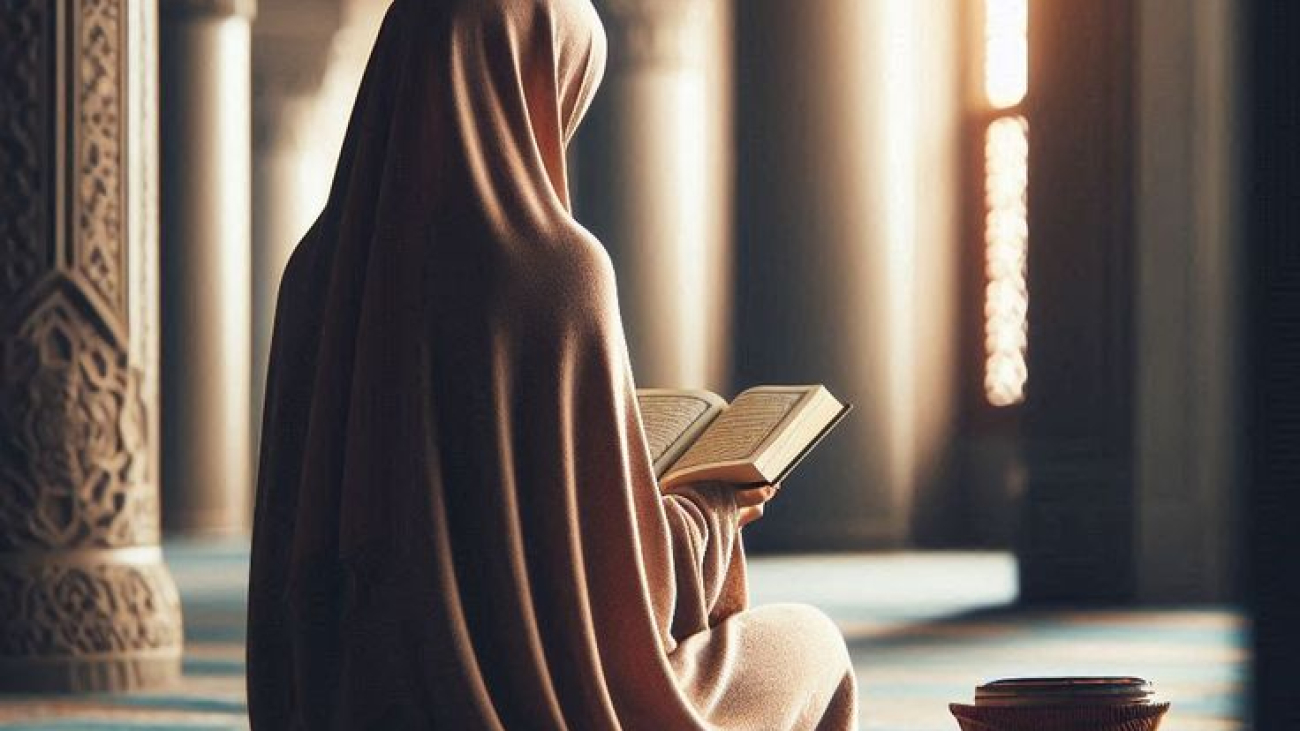
Because Allah granted me the ability to stand for Taraweeh. Though my body felt fragile, my soul felt strong. After Taraweeh, I sat in quiet reflection and gave thanks to Allah — the One who enables us to remain spiritually firm even when our bodies grow weary. It is a beautiful paradox: the body weakens, yet the soul strengthens.

Allah says:
And whoever relies upon Allah — then He is sufficient for him. (Qur’an 65:3). In these nights of Ramadan, we are witnessing this reality. The days are intense. The responsibilities remain. The demands do not disappear. Yet somehow, Allah places barakah in our time and strength in our limbs.

Yes, it is becoming intense.

The weight feels heavier.

The fatigue is real.

But now is not the time to loosen your grip — it is the time to tighten your rope.

This Ramadan is moving swiftly. Fifteen days have already passed. Half of this sacred month is gone. These remaining days are precious. They are opportunities that may never return.

It is not about how well you started.

It is not about perfection.

It is about how sincerely you finish.

Do not relent.

Do not surrender to exhaustion.

Push gently, consistently, with intention.

Remember the example of Nabbiyy, who, in the last ten nights, would tighten his waist belt and increase in worship. He showed us that the final stretch requires renewed effort.

Appraise yourself.

Reflect on your prayers.

Strengthen your duʿā’.

Increase in dhikr.

Give charity.

Seek forgiveness.

Allah sees your effort — even when others do not.
The weakness in your body does not diminish the strength of your soul. The fatigue you feel may very well be evidence of your sincerity.

Allah says:

Indeed, the patient will be given their reward without measure. (Qur’an 39:10)

May Allah strengthen us in these remaining days.
May He accept our fasting, our prayers, and our tears. May He grant our souls strength even when our bodies grow weak. And may we finish this Ramadan better than we began. Amyin Yah Rabbal Ala’aameen.

Umm Sumayyah Mai

e7bde8c060f66a5759dc11cb5e515950

My Du‘ā’

O Allah, I have submitted myself to You. I am Your servant, the daughter of Your servant. I am but a sinner in need of Your mercy. I humble myself before You—please forgive all my sins, both apparent and concealed, the first of them and the last.

O Allah, Paradise is true and the Hellfire is true. Do not disgrace me on the Day of Judgment. Conceal my faults in this world and the Hereafter, and accept my sincere repentance, Yah Rabb al-‘Ālamīn.

O Allah, forgive my husband with a forgiveness that leaves no sin behind. Cleanse his record, erase his faults, and replace every mistake with multiplied good deeds. Overlook his shortcomings, pardon his errors, and do not hold him to account for what he did in weakness, forgetfulness, or hardship.

O Allah, soften his heart and expand his chest with light and tranquility. Remove from him anxiety, heaviness, and hidden burdens. Put nūr in his heart, nūr in his tongue, nūr in his actions, and nūr in his path.

O Allah, expand his rizq in ways that are pure, halal, and blessed. Open for him doors he never imagined. Put barakah in his earnings, his time, his strength, and his efforts. Make him independent of people and rich through You alone.

O Allah, have mercy on my parents, forgive their sins, and elevate their ranks among the righteous. Reward them for every sacrifice they made for me and accept their good deeds with multiplied reward. Fill their hearts with light, grant them good health and strong īmān, protect them from the punishment of the grave, and grant them Jannatul-Firdaws without reckoning. Be pleased with them and envelop them in Your vast mercy.

O Allah, bless all my children with retentive memories, beneficial knowledge, righteous character, firm īmān, and piety. Make them a source of comfort to my eyes in this world and a source of ongoing reward for me in the Hereafter. Above all, grant them Jannah without account.

O Allah, purify my intentions and allow me to do all that I do sincerely for Your sake alone. Accept my ṣalāh, my fasting, my charity, my du‘ā’, and every act of worship I offer to You.

O Allah, grant me the blessing of witnessing Laylatul-Qadr. Forgive me on that night, decree goodness for me, and cleanse my heart from enmity, hatred, jealousy, arrogance, and hypocrisy.

O Allah, rank me among Your sincere and righteous servants. Keep my heart firm upon Your religion. Allow me to live long in obedience to You and let my final deeds be my best deeds.

O Allah, grant me the honor of meeting Rasūlullāh ﷺ at his Hawd and the immeasurable gift of gazing upon Your Noble Face in the Hereafter.

O Allah, save me from the Hellfire, for it is a terrible destination. Do not make me among those who enter it even for a moment before Jannah.

O Allah, keep my feet firm upon righteousness. Make me steadfast in trials, patient in hardship, grateful in ease, and sincere in private and in public.

O Allah, let death come to me only when You are pleased with me and while I am in a state of complete submission to You.

O Allah, You are my Lord, and You know me better than I know myself. Help me settle my debts, remove financial burdens from me, grant me lawful sustenance, and place barakah in all that You provide.

O Allah, make Hajj easy for me and for everyone longing to visit Your Sacred House. Invite us as your honored guests and accept it from us as a Hajj Mabroor.

O Allah, expand my chest with tranquility, increase me in beneficial knowledge, beautify my character, protect me from hidden trials, and make me a source of goodness wherever I am.

O Allah, forgive the believing men and women, the living among them and the deceased. Unite our hearts upon truth, and gather us in Jannatul-Firdaws without reckoning or punishment.

I ask You for all the good that Your Prophet ﷺ asked You for, and I seek refuge in You from all the evil from which he sought refuge. Accept all my du‘ā’, Rabb al-‘Ālamīn.

And I wish the same for everyone reading this—may Allah accept all our prayers and grant us more than we ask for. Āmīn Yā Rabb.

Umm Sumayyah Mai

download (20)

In Islam, Paradise (Jannah) is described as having 100 levels (degrees).

The Prophet ﷺ said:
Paradise has one hundred levels which Allah has prepared for those who strive in His cause.

The distance between every two levels is like the distance between heaven and the earth.
— (Sahih al-Bukhari)

These levels are not equal — they vary in rank, honor, and closeness to Allah.

The higher the level, the greater the reward, blessing, and nearness to Allah.

The highest level of Paradise is Al-Firdaws (Jannatul-Firdaws).

The Prophet ﷺ advised:
When you ask Allah for Paradise, ask Him for Al-Firdaws, for it is the highest part of Paradise and above it is the Throne of the Most Merciful, and from it spring the rivers of Paradise.
— (Sahih al-Bukhari)

Scholars explain that people will enter different levels based on:

Their iman (faith)
Their good deeds
Their sincerity
Their patience in trials
Their striving in worship and righteousness

May Allah grant us Jannatul-Firdaws without reckoning and raise us among the righteous. Amyin Yah Rabbal Ala’aameen!

Umm Sumayyah Mai

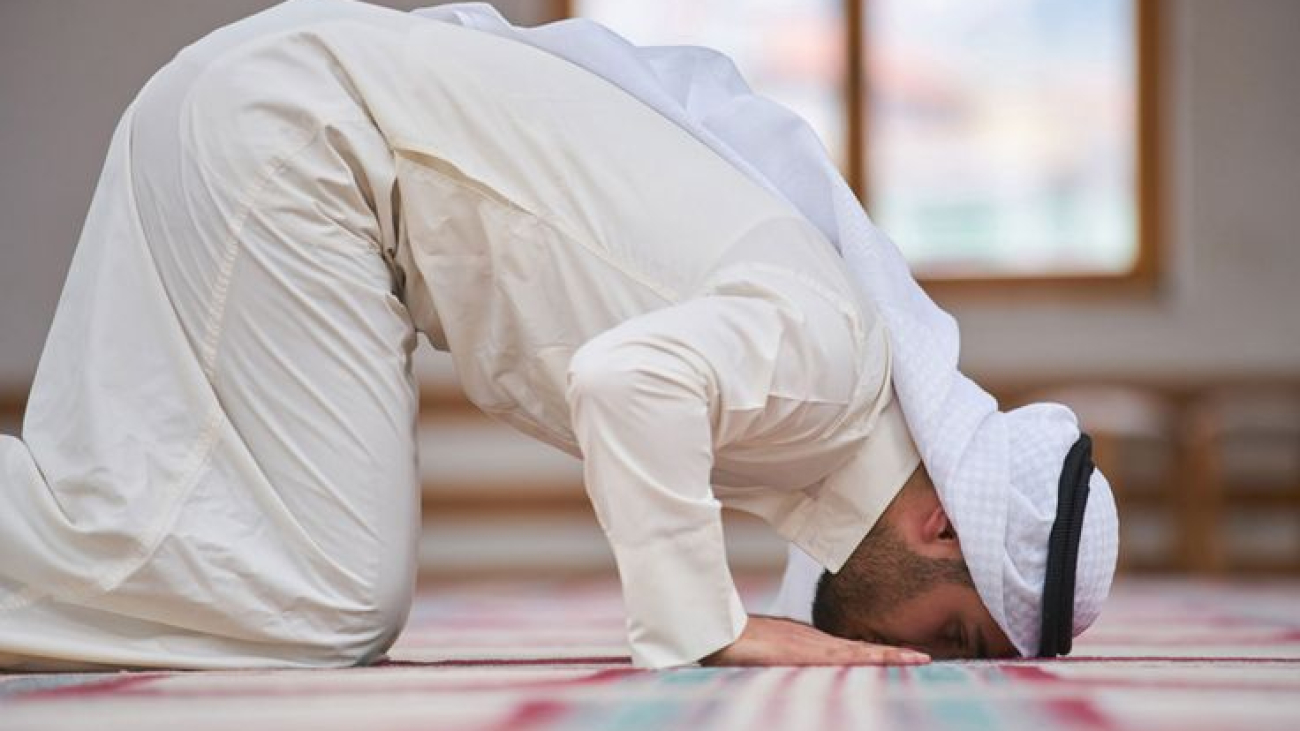
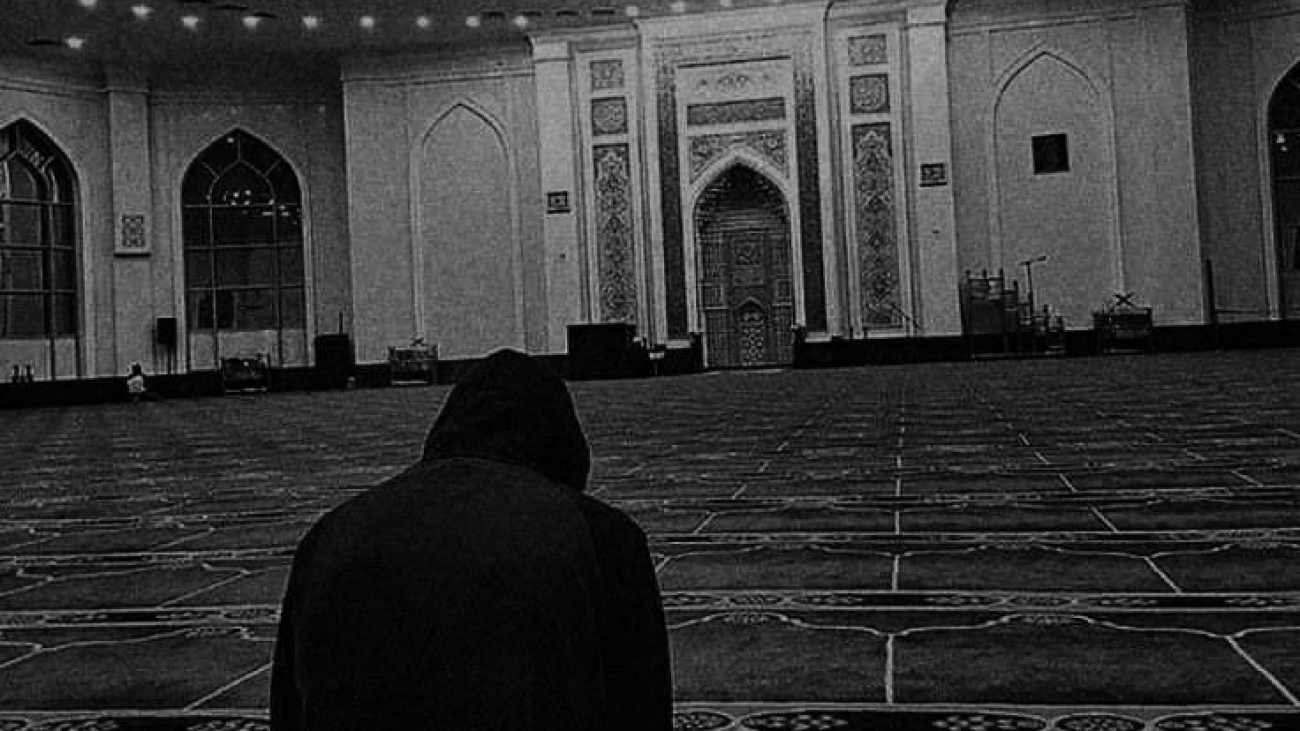
Back view of young muslim man praying

For My Husband!

O Allah… forgive my husband with a forgiveness that leaves no sin behind. Cleanse his record, erase his faults, and replace every mistake with multiplied good deeds. Overlook his shortcomings, pardon his errors, and do not hold him to account for what he did in weakness, forgetfulness, or hardship.

O Allah, soften his heart and expand his chest with light and tranquility. Remove from him anxiety, heaviness, and hidden burdens. Put nūr in his heart, nūr in his tongue, nūr in his actions, and nūr in his path.

O Allah, expand his rizq in ways that are pure, halal, and blessed. Open for him doors he never imagined. Put barakah in his earnings, his time, his strength, and his efforts. Make him independent of people and rich through You alone.

O Allah, protect him from trials that shake faith, from whispers that weaken resolve, from companions who mislead, and from desires that distract him from You. Guard his eyes, his ears, his heart, and his steps.

O Allah, make him firm upon tawheed. Increase him in īmān, yaqīn, and sincerity. Make him a man of prayer, a man of Qur’an, a man of gentle character and strong principles. Let him lead with mercy, speak with wisdom, and act with justice.

O Allah, place sakīnah in our home. Join our hearts upon obedience to You. Make our marriage a means to Jannah, not a distraction from it. Protect our love from shayṭān, pride, resentment, and misunderstanding. Make us garments for one another in comfort, modesty, and protection.

O Allah, shield him from the punishment of the grave. Make his grave spacious and filled with light. Let it be a garden from the gardens of Jannah. Protect him from the questioning that overwhelms and grant him firmness in his answers.

O Allah, protect him on the Day when wealth and children will not benefit. Shade him under Your Throne. Make his scale heavy with good deeds. Make his reckoning easy. Forgive him before he even asks. And grant him Jannatul-Firdaws without account, without punishment, without prior suffering. Let him enter through any gate he wishes. Let him drink from the hand of the Prophet ﷺ. Let him see Your Noble Face.

O Allah, keep him safe in this world and the next. Make him among Your righteous servants, beloved to You, beloved to the angels, and beloved to the people of goodness. Amyin Yah Rabbal Ala’aameen!

Umm Sumayyah Mai

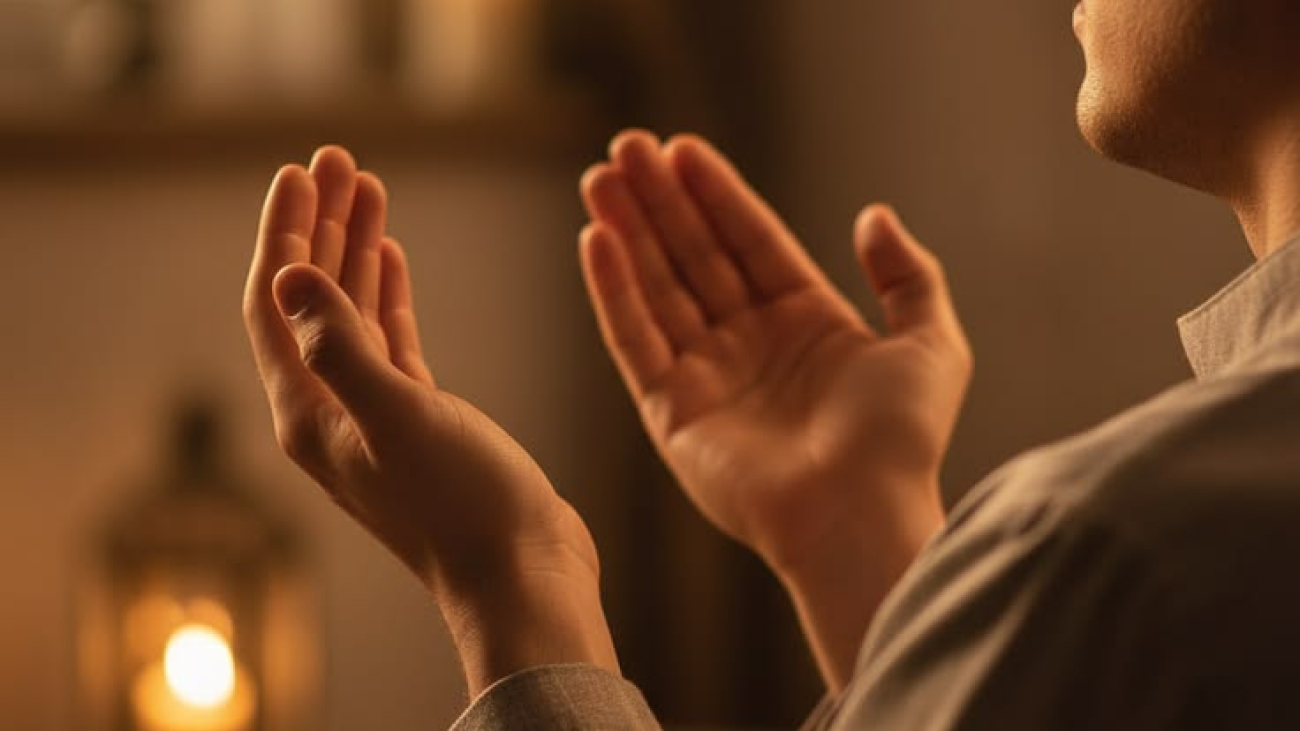
A Muslim Man Praying

Repent sincerely to Allah this Ramadan

Before the month slips through your fingers… Before the nights fade… Before your name is written among those who witnessed it but did not change…

Turn back to Him.

Allah is not waiting to punish you. He is waiting for you to return.

He says:
“O My servants who have transgressed against themselves, do not despair of the mercy of Allah. Indeed, Allah forgives all sins.” (Qur’an 39:53)

Ramadan is not just about fasting from food. It is about fasting from sin. It is about softening a heart that has hardened. It is about tears in the quiet of the night when no one sees you but Allah.

Repent sincerely. Not just with your tongue — but with your heart. Feel regret. Stop the sin. Make a firm intention never to return. And if it involved someone else, make it right.

Do not delay tawbah. We plan for Eid. But none of us are guaranteed tomorrow.

Perhaps this Ramadan is your return. Perhaps this Ramadan is your rescue. Perhaps this Ramadan is your last.

So say: Ya Allah, I am weak. Forgive me. Clean my heart. Bring me back to You.

And know — He loves when His servant comes back.

May Allah accept our repentance, purify our hearts, and make this Ramadan the beginning of a new life for us. Ameen.

Umm Sumayyah Mai

images

When Your Prayer Is Finally Answered

Ramadhaan is the month of whispered tears and raised hands. It is the month when hearts soften, when the night stretches long enough for secrets to pour out in sujūd, and when the believer dares to ask for what once felt impossible.

In these blessed nights, you beg. You repeat the same duʿā’. You hold onto hope even when the answer seems delayed.

And then — one day — it happens.

The prayer is finally answered.

Perhaps it was the child you longed for. Perhaps it was healing after months of fear. Perhaps it was peace in your home. Perhaps it was guidance after confusion. Ramadhaan carries a promise from Allah: “And when My servants ask you concerning Me — indeed I am near. I respond to the call of the supplicant when he calls upon Me…” (Qur’an 2:186)

Notice where this verse sits — in the middle of the verses about fasting. As if Allah is saying: While you fast, while you sacrifice, while you discipline your soul — call upon Me. I am near. And when the answer finally comes, your heart trembles. You remember the nights you cried when no one saw you. You remember the sujūd that felt heavy with longing. You remember the Laylatul-Qadr you begged on, not knowing if it was the night.

And now you see — Allah was always listening.

Look at Zakariyya. He called upon Allah quietly, fearing old age and fearing that hope had passed him. Yet Allah responded with Yahyā, a child of purity and prophethood. The answer did not come immediately — but it came perfectly.

Look at Ayyub. Years of illness. Years of patience. And when relief arrived, it arrived completely — restoring health, family, and honour.

Ramadhaan teaches us something beautiful: delay is not neglect. Silence is not rejection. Allah answers in three ways — He gives you what you ask, He removes a harm you did not see, or He stores for you something greater in the Hereafter.

So when your prayer is finally answered this Ramadhaan, do not only celebrate the gift — celebrate the Giver. Fall into sujūd again. Whisper Alhamdulillāh until your heart settles. Guard the blessing with gratitude. Because the same Allah who answered you once is the One who carried you through the waiting. And perhaps the greatest miracle was not just that the duʿā’ was answered…
But your heart never stopped believing it would be.

Umm Sumayyah Mai

portrait-old-parents-forgiving-their-children-celebrating-eid-mubarak-living-room-old-parents-forgiving-their-children-179555758

Your Parents – Your Means of Jannah

Ramadan is the month of mercy, forgiveness, and elevation. But many of us search for grand acts to enter Jannah while neglecting one of the greatest doors already open in our homes — our parents.
Allah mentions kindness to parents immediately after commanding worship of Him alone. That is not a coincidence. It is priority.

Your parents are not just family.
They are your test.
They are your responsibility.
They are your means to Jannah.

The Messenger of Allah ﷺ said that Paradise lies under the feet of the mother, and he warned against displeasing one’s parents. If your mother calls you during Ramadan while you are reciting Qur’an — answer her with softness. If your father corrects you — lower your voice. If they are aging — increase your patience. Ramadan is not only about long Tarāwīḥ and abundant dhikr. It is about purified character. And nothing purifies the soul like serving those who once served you helplessly.

Not everyone gets to care for their parents in old age. Some lose them early and would give anything for one more chance to serve them.
If your parents are alive this Ramadan — you are carrying a treasure.

Cook for them.
Make du‘ā’ for them.
Ease their burdens.
Sit and listen to them.
Even a glass of water given with sincerity can outweigh years of optional worship.

Some relationships are strained. Some hearts are hurt. But Ramadan is the month of reconciliation.

Forgive.
Overlook.
Speak gently.

Your reward is not based on how they treat you — it is based on how you respond for the sake of Allah.Rabbirḥamhumā kamā rabbayānī ṣaghīrā.”
My Lord, have mercy upon them as they raised me when I was small. Make this du‘ā’ daily in Ramadan. Jannah is not always reached through extraordinary acts. Sometimes it is reached through:

Holding your mother’s hand
Speaking gently to your father
Making sincere du‘ā’ for them in sujūd

Do not let Ramadan pass while you are chasing Laylatul Qadr but neglecting the people who carried you before you could walk. Your parents are not a burden.

They are a blessing.
They are a trust.
They are a door — and perhaps your easiest door — to Jannah.

May Allah make us children who are a comfort to our parents in this world and a means of elevation for them in the next. Āmīn.

Umm Sumayyah Mai

download (19)

Renew Your Tawbah with Allah

Life is fragile. Every sunrise is a gift. Every breath is a mercy. Yet none of us knows when our final moment will arrive. Death does not send an invitation. It does not wait for our plans. It comes by the decree of Allah.

This is why renewing your tawbah (repentance) is not optional — it is preparation for meeting your Lord. Even the best of us slip. We sin knowingly and unknowingly. Our tongues speak what they shouldn’t. Our hearts hold what they shouldn’t. Our eyes look where they shouldn’t.

But the beauty of Islam is this: Allah loves when His servant returns. The Prophet ﷺ, would seek forgiveness more than 70 times a day — and he was already forgiven. What then of us? Renewing tawbah: Softens the heart, erases sins, lifts spiritual heaviness, brings inner peace, prepares the soul for its return and tawbah is preparation for death

One day, the Angel of Death will come. On that day:
There will be no more chances. No more later.
No more delaying repentance. Imagine meeting Allah with a heart cleansed by sincere tears, regret, and hope. Imagine standing before Him having turned back, again and again, every time you fell.

Is that not the most beautiful provision?

Umm Sumayyah Mai

4e714925ae9748be959f7c3d36e9d70a

Consistency in Deeds This Ramadan

Ramadan is not a month of temporary passion—it is a month of steady transformation. Many begin the first nights with strong energy: long prayers, lengthy recitation, heartfelt du‘ā’. However, as the days pass, fatigue can begin to set in. This is where consistency becomes more beloved than intensity.

The Messenger of Allah ﷺ taught that the most beloved deeds to Allah are those that are consistent, even if they are small. In Ramadan, this lesson shines even brighter. A few pages of the Qur’an read every day are better than finishing large portions once and then neglecting them. Two sincere rak‘ahs prayed nightly are better than one exhausting night followed by heedlessness. A daily act of charity—even a small one—keeps the heart soft and connected to Allah.

Ramadan is not about overwhelming yourself; it is about forming habits that will last long after the moon departs. Consistent dhikr, steady istighfār, regular charity, and guarded speech—these are the deeds that shape the soul.

This month is a training ground. If we can be consistent for thirty days, we can carry that discipline into the rest of the year. Let your worship be steady. Let your repentance be daily. Let your connection to Allah be constant.
For it is not the loudest worship that transforms a believer—but the most consistent one.

Umm Sumayyah Mai