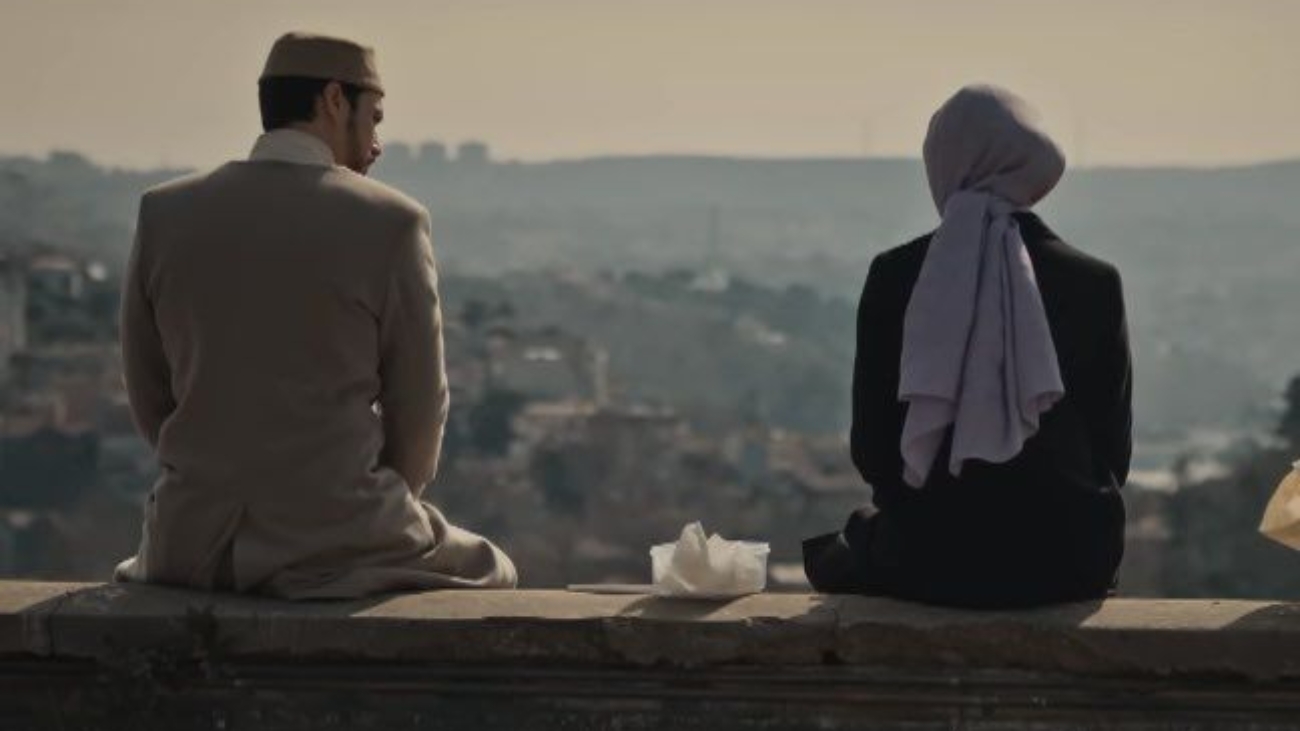
kızıl goncalar

THE FEELINGS MAY BE DIFFERENT

THE FEELINGS MAY BE DIFFERENT

While some people may be quick to blame your husband for treating you the way he allegedly did, others may be watching and trying to understand what truly transpired between you both. Everyone may have an opinion, but the truth is that we do not know the full story.

Based on what has been shared, I believe the situation could have been handled better. Your husband may have his reasons, but that does not necessarily mean I agree with the approach he took. And Allah knows best.

I cannot fairly judge a man whose side of the story I have not heard. At the same time, my inability to judge him does not invalidate your pain. I sincerely empathize with you, and I wish you healing, peace, and the strength to navigate this difficult period.

Going forward, I will be more careful not to place all the blame on your husband when we have not heard his perspective.

Marriage can be incredibly challenging, especially when deep disagreements, betrayal, separation, or divorce become involved. Such experiences can leave wounds that are difficult to explain to anyone who has not walked in those shoes.

I understand that you are hurt. If I were in a similar situation, I imagine I would struggle with the pain too. It is a difficult pill to swallow, particularly when someone you once trusted and shared your life with becomes the source of such distress. I can relate to the emotions your story may bring, and I do not take your pain lightly.

However, I would gently encourage you to reconsider how much of this matter is being shared on social media.

Why do I say this?

First, not every painful experience needs a public audience.

When marital issues are brought to social media, the attention they receive does not always translate into healing or justice. Sometimes, public discussions deepen wounds, invite unnecessary interference, encourage people to take sides, and make an already difficult situation even harder to resolve. What begins as an attempt to be heard can eventually become a battle in which neither party truly wins.

Second, there are children involved.

Regardless of what has happened between their parents, children deserve to be protected from unnecessary conflict and public humiliation. They should not have to bear the emotional burden of their parents’ disagreements or grow up watching their family struggles become a subject of public discussion. Their well-being deserves careful consideration, even when the adults involved are deeply hurt.

Third, leave room for what tomorrow may bring.

Today, you may feel betrayed, disappointed, angry, and frustrated. Those feelings are understandable. However, life can take unexpected turns. What if, with time, sincere reflection, and appropriate intervention, reconciliation becomes possible? Would the things said and done publicly make that journey more difficult?

I am not saying you should remain silent about genuine injustice, tolerate abuse, or abandon your right to seek help and accountability. Where there is abuse, threats, or danger, seeking appropriate protection and professional support is necessary. But where it is safe and appropriate, resolving marital disputes privately, with the help of trustworthy and impartial people, may offer a better path forward.

My sincere advice is this: take things one step at a time.

If reconciliation is possible, and both of you are willing to work toward it sincerely, consider giving that process room to unfold through respectful communication and appropriate mediation. If reconciliation is not possible, then let the separation be handled with dignity, fairness, and consideration for the children.

Your husband also has responsibilities toward the children, and those responsibilities should not be abandoned because of the difficulties between the two of you. Their upbringing, welfare, and financial support must remain a priority.

Please, do not allow the pain of this moment to push you toward decisions driven by revenge. Avoid actions intended solely to destroy his reputation, jeopardize his employment, or make him suffer in return. This is not because his actions, if accurately reported, should be excused, but because your healing and future deserve more than a life consumed by retaliation.

You can seek justice without seeking revenge. You can protect your dignity without humiliating another person. And you can acknowledge your pain without allowing that pain to determine every decision you make.

Above all, entrust your affairs to Allah. He knows what is hidden, what has been said, what has been done, and what each heart carries. Seek His guidance, make duʿā’, and take the necessary steps toward peace, justice, and healing.

I know you are hurting. I understand that you may feel deceived, disappointed, and frustrated. Please, be gentle with yourself. You do not have to figure everything out today, and you do not have to respond to every provocation.

Take one step at a time. Protect your peace, safeguard your children, and make decisions that your future self will not regret.

May Allah ease your pain, grant you clarity and strength, protect your children, guide both of you to what is best, and open doors of goodness for you. May He grant you healing and help you emerge from this trial stronger, wiser, and closer to Him.

You will heal, bi idhnillāh, and come through this stronger, in shā’ Allāh. And Allah knows best.

Umm Sumayyah Mai

While some people may be quick to blame your husband for treating you the way he allegedly did, others may be watching and trying to understand what truly transpired between you both. Everyone may have an opinion, but the truth is that we do not know the full story.

Based on what has been shared, I believe the situation could have been handled better. Your husband may have his reasons, but that does not necessarily mean I agree with the approach he took. And Allah knows best.

I cannot fairly judge a man whose side of the story I have not heard. At the same time, my inability to judge him does not invalidate your pain. I sincerely empathize with you, and I wish you healing, peace, and the strength to navigate this difficult period.

Going forward, I will be more careful not to place all the blame on your husband when we have not heard his perspective.

Marriage can be incredibly challenging, especially when deep disagreements, betrayal, separation, or divorce become involved. Such experiences can leave wounds that are difficult to explain to anyone who has not walked in those shoes.

I understand that you are hurt. If I were in a similar situation, I imagine I would struggle with the pain too. It is a difficult pill to swallow, particularly when someone you once trusted and shared your life with becomes the source of such distress. I can relate to the emotions your story may bring, and I do not take your pain lightly.

However, I would gently encourage you to reconsider how much of this matter is being shared on social media.

Why do I say this?

First, not every painful experience needs a public audience.

When marital issues are brought to social media, the attention they receive does not always translate into healing or justice. Sometimes, public discussions deepen wounds, invite unnecessary interference, encourage people to take sides, and make an already difficult situation even harder to resolve. What begins as an attempt to be heard can eventually become a battle in which neither party truly wins.

Second, there are children involved.

Regardless of what has happened between their parents, children deserve to be protected from unnecessary conflict and public humiliation. They should not have to bear the emotional burden of their parents’ disagreements or grow up watching their family struggles become a subject of public discussion. Their well-being deserves careful consideration, even when the adults involved are deeply hurt.

Third, leave room for what tomorrow may bring.

Today, you may feel betrayed, disappointed, angry, and frustrated. Those feelings are understandable. However, life can take unexpected turns. What if, with time, sincere reflection, and appropriate intervention, reconciliation becomes possible? Would the things said and done publicly make that journey more difficult?

I am not saying you should remain silent about genuine injustice, tolerate abuse, or abandon your right to seek help and accountability. Where there is abuse, threats, or danger, seeking appropriate protection and professional support is necessary. But where it is safe and appropriate, resolving marital disputes privately, with the help of trustworthy and impartial people, may offer a better path forward.

My sincere advice is this: take things one step at a time.

If reconciliation is possible, and both of you are willing to work toward it sincerely, consider giving that process room to unfold through respectful communication and appropriate mediation. If reconciliation is not possible, then let the separation be handled with dignity, fairness, and consideration for the children.

Your husband also has responsibilities toward the children, and those responsibilities should not be abandoned because of the difficulties between the two of you. Their upbringing, welfare, and financial support must remain a priority.

Please, do not allow the pain of this moment to push you toward decisions driven by revenge. Avoid actions intended solely to destroy his reputation, jeopardize his employment, or make him suffer in return. This is not because his actions, if accurately reported, should be excused, but because your healing and future deserve more than a life consumed by retaliation.

You can seek justice without seeking revenge. You can protect your dignity without humiliating another person. And you can acknowledge your pain without allowing that pain to determine every decision you make.

Above all, entrust your affairs to Allah. He knows what is hidden, what has been said, what has been done, and what each heart carries. Seek His guidance, make duʿā’, and take the necessary steps toward peace, justice, and healing.

I know you are hurting. I understand that you may feel deceived, disappointed, and frustrated. Please, be gentle with yourself. You do not have to figure everything out today, and you do not have to respond to every provocation.

Take one step at a time. Protect your peace, safeguard your children, and make decisions that your future self will not regret.

May Allah ease your pain, grant you clarity and strength, protect your children, guide both of you to what is best, and open doors of goodness for you. May He grant you healing and help you emerge from this trial stronger, wiser, and closer to Him.

You will heal, bi idhnillāh, and come through this stronger, in shā’ Allāh. And Allah knows best.

Umm Sumayyah Mai

download

A WOMAN IS LIKE AN EGG: HANDLE HER WITH CARE

A WOMAN IS LIKE AN EGG: HANDLE HER WITH CARE

The Fragile Nature of Trust in Marriage

Have you ever considered the egg as a metaphor for a woman’s heart in marriage?

An egg is delicate. Once its shell is broken, it cannot be restored to its original state. Although the egg may still have value, its original form has changed.

In some ways, this reminds us of the delicate nature of trust in marriage. Certain words cannot be unheard, certain experiences cannot be erased from memory, and certain wounds may take a long time to heal.

A woman may enter marriage with a heart full of hope. She dreams of building a home with a man who will love her, respect her, protect her dignity, and stand beside her through life’s difficulties. She trusts him with parts of herself that she may never have shared with anyone else.

But what happens when the person she trusts becomes the person who hurts her the most?

What happens when the man who promised to cherish her repeatedly makes her feel insignificant, unwanted, disrespected, or emotionally unsafe?

Sometimes, the damage does not happen in one dramatic moment. It happens gradually.

It happens when her concerns are repeatedly dismissed. When she cries and is mocked rather than comforted. When her sacrifices are taken for granted. When private matters are exposed to others. When her vulnerabilities are used against her during disagreements. When she is constantly compared with other women or made to feel that she is never enough.

Sometimes, it happens when a husband betrays her trust and expects her to move on as though nothing happened.

And sometimes, it happens when a wife expresses her pain, only to be told that she is too sensitive, too emotional, or too difficult to please.

Dear husbands, please understand something: your wife may remain in the marriage and still be hurting deeply.

She may continue cooking, caring for the children, managing the home, attending to her responsibilities, and even smiling when you speak to her. But her outward composure does not necessarily mean that her heart is at peace.

Some women become quiet, not because they have nothing left to say, but because they have said so much without feeling heard.

Some stop expressing their needs because repeated disappointment has taught them not to expect much.

Some still love their husbands but struggle to feel emotionally close to them.

And some forgive because they sincerely seek the pleasure of Allah, yet need time, consistent change, and reassurance before they can trust again.

Forgiveness and healing are not always the same thing.

A woman may forgive you without immediately feeling safe with you again. She may choose reconciliation while still grieving what happened. She may want the marriage to succeed but need to see genuine change before her heart can fully open again.

An apology is important, but an apology without changed behaviour can become another source of disappointment.

If you have hurt your wife, do not merely ask her to forget what happened. Take responsibility for your actions. Listen without immediately defending yourself. Acknowledge the pain you caused. Make amends where possible, and demonstrate through your conduct that you are committed to doing better.

Trust is not rebuilt by demanding that someone trust you. It is rebuilt through honesty, consistency, accountability, and time.

Allah says:
“And live with them in kindness.”
— Qur’an 4:19

Notice that kindness is not required only when your wife agrees with you, when she is cheerful, or when everything is going well. Kindness is also required during disagreements, financial difficulties, emotional strain, and moments when you are disappointed with one another.

Marriage is not a licence to mistreat another person simply because you have a permanent place in their life.

Your wife is not someone you should feel free to wound because you believe she will never leave. Her commitment should inspire greater care, not give you permission to become careless.

What about polygyny?

This conversation also requires sensitivity when discussing polygyny.

Polygyny is permitted in Islam under conditions and responsibilities, including justice. It should not be used as a justification for humiliation, deception, neglect, or deliberate emotional cruelty.

A husband who chooses polygyny must understand that his responsibilities do not disappear simply because he has married another wife. He remains accountable for his conduct, his obligations, and the rights of those entrusted to his care.

A wife’s pain should not automatically be dismissed as weak faith or jealousy. Her feelings deserve to be heard with wisdom and compassion, even as she is encouraged to respond in ways that please Allah.

At the same time, the existence of pain does not by itself establish that every permitted marriage arrangement is unjust. The circumstances, the husband’s conduct, and the rights of everyone involved must be considered fairly.

The objective is not to condemn what Allah has permitted, but to remind people that what is permitted must not become an excuse for wrongdoing.

Can a broken heart heal?

Yes. And this is where the egg analogy has its limits.

A woman is not an object whose value disappears when she is hurt. Her worth does not diminish because someone betrayed her, neglected her, divorced her, or failed to appreciate her sacrifices.

With Allah’s help, sincere repentance, changed behaviour, time, appropriate support, and a willingness to work through the pain, healing is possible. Some marriages recover from serious difficulties and become healthier than they were before.

However, healing cannot be forced. A person who has been hurt should not be expected to carry the entire burden of repairing a relationship while the person who caused the harm refuses to change.

Where there is abuse or a continuing threat to safety, protecting oneself and seeking appropriate help must take priority over preserving the appearance of a marriage.

Dear sisters, do not confuse being patient with pretending that you are not hurting. Seek wise counsel when you need it, communicate your concerns, and remember that asking for your rights is not the same as being ungrateful.

Dear brothers, do not wait until your wife becomes emotionally distant before you begin to appreciate her. Do not wait until she stops communicating before you realise how often you ignored her words. Do not wait until trust has been severely damaged before you learn to handle her heart with care.

And dear husbands and wives, remember that these responsibilities belong to both of you. Men can be deeply wounded in marriage too. Neither spouse should use the other’s love, loyalty, or commitment as an opportunity to cause harm.

The lesson is not that a woman, once broken, can never be whole again. The lesson is that we should never become careless with a heart simply because we believe it will continue to love us despite the pain we cause.

Marriage is an amānah—a trust from Allah. Let us treat it accordingly.

May Allah teach our husbands and wives to handle one another with mercy, protect our homes from oppression and betrayal, heal hearts that have been wounded, and grant our marriages tranquillity, affection, and compassion. Āmīn.

Umm Sumayyah Mai

download (18)

Do Not Delay Your Repentance

Do Not Delay Your Repentance

Sometimes, we make plans to become better Muslims tomorrow. We intend to pray more consistently, leave a bad habit, correct our character, return to the Qur’an, or seek forgiveness for our shortcomings.

We tell ourselves that we still have time.

But the truth is that none of us knows how much time we have left.

Do not wait until Ramadan to return to Allah. Do not wait until you experience hardship before you remember Him. Do not wait until old age to take your Hereafter seriously.

If you have fallen into sin, repent.

If you have neglected your prayers, return to them.

If you have wronged someone, make things right where possible.

If you have drifted away from the Qur’an, begin again, even if you can only read a few verses each day.

Allah says:

“Indeed, Allah loves those who are constantly repentant and loves those who purify themselves.” — Qur’an 2:222

SubḥānAllāh! Look at the mercy of our Lord. He does not tell us that only those who have never sinned are worthy of His love. He tells us that He loves those who continually repent.

Do not allow Shayṭān to convince you that you have sinned too much to return to Allah. Despair is not the answer to your shortcomings. Sincere repentance, followed by an effort to change, is the way forward.

And remember, repentance is not merely saying Astaghfirullāh with the tongue while deliberately planning to continue in sin. It involves regretting the sin, stopping it, and sincerely resolving not to return to it. If you have violated another person’s rights, you must address those rights as appropriate.

You do not have to be perfect before you turn back to Allah. You turn back to Allah because you need His guidance, mercy, and forgiveness.

Start today. Return to Allah today. Take the next right step today.

May Allah forgive our sins, conceal our shortcomings, soften our hearts, guide us to sincere repentance, and grant us a beautiful ending upon īmān. Āmīn.

Umm Sumayyah Mai

Empower

ONE BOOK AT A TIME | BOOK 5

ONE BOOK AT A TIME | BOOK 5

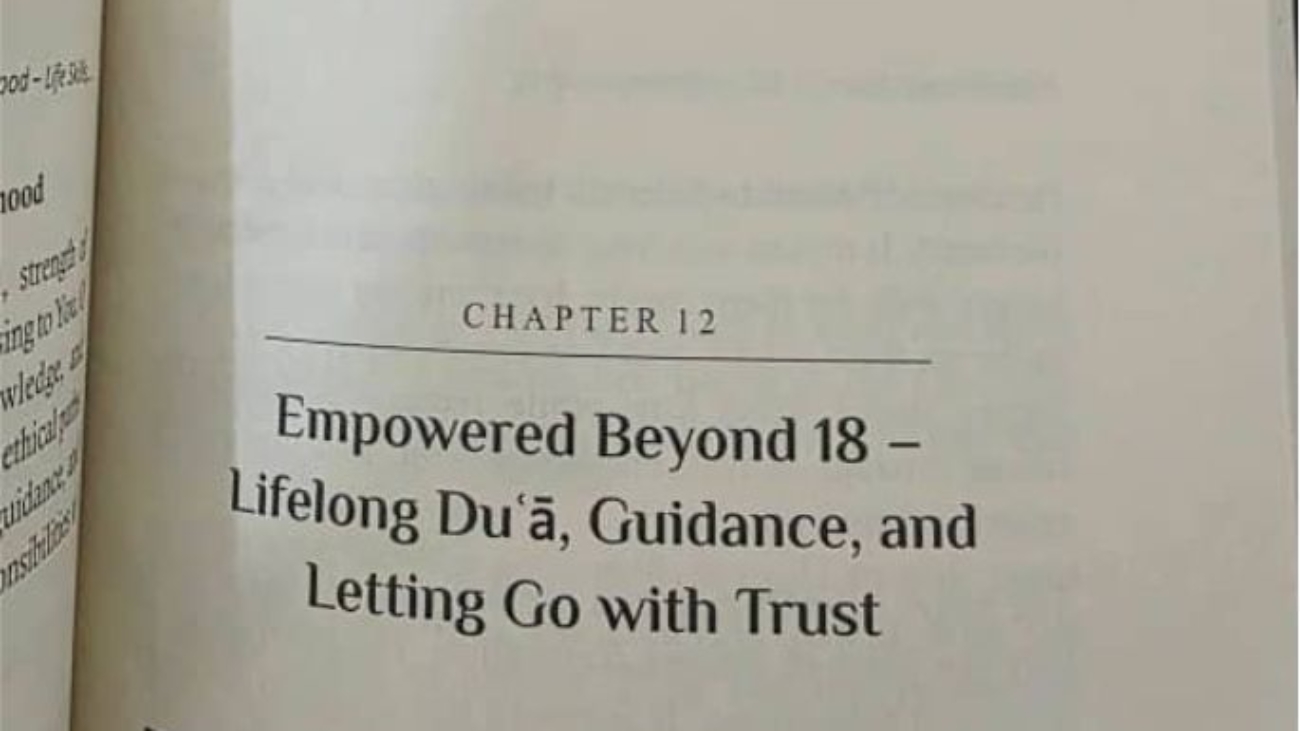
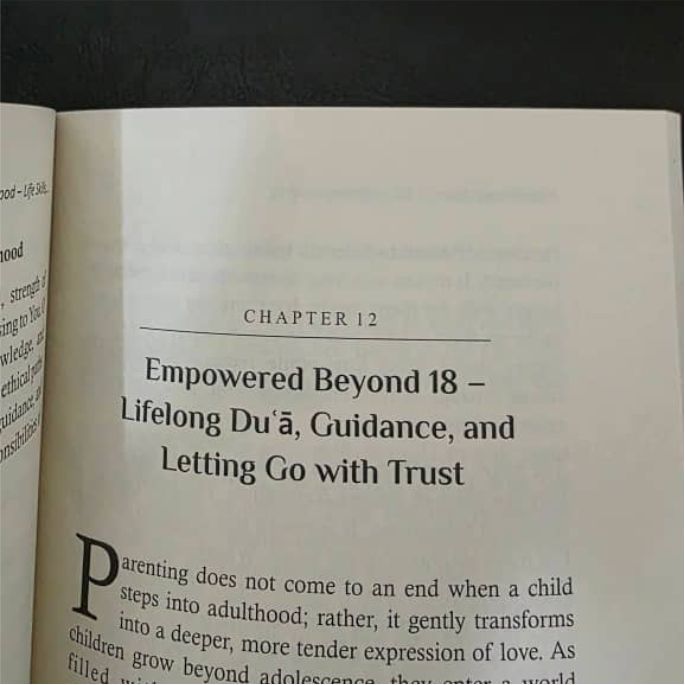
EMPOWERED BEYOND 18: A PARENTAL GUIDE FOR LASTING IMPACT

Why did I write Empowered Beyond 18?

Because parenting does not end when a child turns eighteen.

As parents, we spend years nurturing our children, guiding their decisions, correcting their mistakes, and preparing them for adulthood. However, one of the most important questions we must ask ourselves is: What kind of impact will our parenting have on their lives when they are no longer under our direct supervision?

Turning eighteen may mark the beginning of adulthood, but it does not mean that our children no longer need our wisdom, guidance, prayers, and support.

Our influence should not be limited to the years our children spend under our roofs. We want to raise individuals who can make responsible decisions, navigate life’s challenges, uphold their values, and remain conscious of their responsibilities to Allah even when we are not there to remind them.

As Muslim parents, our responsibility goes beyond providing food, clothing, education, and other material necessities. We must also strive to nurture their faith, character, emotional maturity, and sense of responsibility.

This is one of the reasons I wrote Empowered Beyond 18: A Parental Guide for Lasting Impact.

It is a guide for parents who desire to make a meaningful and lasting difference in their children’s lives, even beyond the years of direct parental supervision.

Our children will eventually grow up, leave home, make independent decisions, and build lives of their own. May the seeds we plant in their hearts today continue to bear beautiful fruits long after they have left our care.

May Allah make our children the coolness of our eyes, guide them to what pleases Him, and make us parents who fulfil our responsibilities with wisdom, patience, and sincerity. Āmīn.

📚 Empowered Beyond 18: A Parental Guide for Lasting Impact

A book for parents who understand that raising children is not merely about preparing them to leave home, but preparing them to live purposefully when they do.

-Ummu Sumayyah Mai

How To Do Hands-Only CPR Correctly

CPR STEP BY STEP: WHAT TO DO WHEN SOMEONE COLLAPSES IN YOUR PRESENCE

CPR STEP BY STEP: WHAT TO DO WHEN SOMEONE COLLAPSES IN YOUR PRESENCE

When someone collapses in your presence, it could be due to several causes. It may be a syncopal episode (fainting), a seizure, hypoglycemia (low blood sugar), a heart attack, a dangerous heart rhythm, cardiac arrest, and/or another medical emergency. Vertigo can cause severe dizziness and loss of balance, although it does not usually cause true loss of consciousness.

These conditions are different and may require different interventions. However, knowing what to do in the first few minutes of an emergency can make a significant difference, regardless of where you live.

So, what should you do when someone collapses?

STEP 1: ENSURE YOUR SAFETY

Before approaching the person, ensure the environment is safe. Look out for traffic, fire, electrical hazards, or other dangers. You cannot effectively help someone if you also become a victim.

STEP 2: CHECK FOR RESPONSIVENESS

Approach the person, tap their shoulders gently, and ask loudly, “Are you okay?”

If there is no response, shout for help and ask someone nearby to assist.

STEP 3: CHECK THEIR BREATHING

Check whether the person is breathing normally. Look for chest movement and listen and feel for breathing for no more than 10 seconds.

Occasional gasps, irregular snorting, or abnormal, laboured breaths are not normal breathing and may be signs of cardiac arrest.

If the person is unresponsive and not breathing normally, begin CPR immediately. As an untrained bystander, do not delay CPR while trying to check for a pulse or determine the exact cause of the collapse.

STEP 4: CALL FOR EMERGENCY HELP

Ask someone to contact the local emergency number or ambulance service and bring an AED (automated external defibrillator), if available.

Emergency telephone numbers and ambulance services differ from country to country. Know the emergency number where you live.

If you are alone and have a phone, use the speaker function so you can follow the emergency dispatcher’s instructions while assisting. If you have no phone, call out for help.

STEP 5: BEGIN CHEST COMPRESSIONS

For an adult who is unresponsive and not breathing normally:

1. Place the person on their back on a firm, flat surface.
2. Kneel beside their chest.
3. Place the heel of one hand in the centre of the chest, on the lower half of the breastbone.
4. Place your other hand on top of the first and interlock your fingers.
5. Keep your arms straight and your shoulders directly above your hands.
6. Push hard and fast, compressing the chest to a depth of about 5–6 cm (2–2.4 inches).
7. Maintain a rate of 100–120 compressions per minute.
8. Allow the chest to return fully to its normal position after every compression.

If you are not trained in CPR or are unable to provide rescue breaths, hands-only CPR is recommended for an adult who suddenly collapses. Keep compressing the chest until help arrives, the person shows signs of life, you are physically unable to continue, or the situation becomes unsafe.

If you are trained and able to give rescue breaths, use the CPR method appropriate to your training. For conventional adult CPR, this is generally 30 compressions followed by 2 breaths.

STEP 6: USE AN AED IF AVAILABLE

An AED is a device that can analyse the heart’s rhythm and deliver an electric shock when necessary.

As soon as the device arrives:

– Switch it on and follow its voice instructions.
– Expose the person’s chest and attach the pads as shown on the device.
– Ensure nobody touches the person while the AED analyses the rhythm or delivers a shock.
– If a shock is advised, follow the instructions and resume CPR immediately when directed.

You do not need to be a healthcare professional to use an AED. The device is designed to guide the rescuer through the process.

STEP 7: CONTINUE UNTIL HELP TAKES OVER

Continue CPR and follow the AED’s instructions until emergency responders take over, the person begins showing signs of life and is breathing normally, you are physically unable to continue, or the scene becomes unsafe.

If the person begins breathing normally but remains unconscious, place them in the recovery position if there is no suspected spinal injury, monitor their breathing continuously, and wait for emergency assistance. If a spinal injury is suspected, avoid unnecessary movement while maintaining their airway and following emergency guidance.

IMPORTANT: WHAT IF THE PERSON IS HAVING A SEIZURE?

If someone collapses and begins convulsing, do not restrain them or put anything in their mouth. Protect them from nearby hazards and cushion their head if possible.

Once the seizure stops, assess their responsiveness and breathing. If they remain unresponsive and are not breathing normally, begin CPR.

WHAT IF THE PERSON HAS FAINTED BUT IS STILL BREATHING?

Not every person who collapses requires CPR.

If the person is breathing normally and is responsive, help them remain safe, assess their condition, and seek medical assistance as appropriate. Do not make them stand up immediately.

If they remain unconscious, do not give them food, water, or medication by mouth. Seek emergency assistance and monitor their breathing.

A heart attack is also different from cardiac arrest. A person experiencing a heart attack may still be conscious and breathing. CPR is not routinely performed on a conscious person who is having a heart attack, but emergency medical assistance is essential.

A FEW THINGS EVERYONE SHOULD KNOW

* CPR is a lifesaving intervention for someone unresponsive and not breathing normally.

* CPR techniques differ for adults, children, and infants. For a child or infant, follow age-appropriate CPR guidance from your training or the emergency dispatcher. Rescue breaths are particularly important in paediatric cardiac arrest.

* An AED can save a life and should be used as soon as it is available.

* Do not waste precious time trying to establish the exact cause of a collapse before acting when cardiac arrest is suspected.

* Emergency services, ambulance access, and AED availability differ around the world. Learn what resources are available in your community before an emergency occurs.

FINAL REMINDER

Imagine someone collapsing in a market, at work, in a school, at home, or on the roadside. People gather around, but everyone assumes someone else knows what to do.

Those few minutes matter.

You do not have to be a doctor or nurse to learn basic lifesaving skills. CPR training can prepare you to respond confidently and appropriately when someone’s life may be at stake.

Learn CPR. Recognise the emergency. Act promptly. You could help save a life.

Umm Sumayyah Mai

medina_yathrib_119201

SUNDAY | SEERAH: THE LIVES OF THE COMPANIONS

SUNDAY | SEERAH: THE LIVES OF THE COMPANIONS

Ṭalḥah ibn ʿUbaydullāh (رضي الله عنه)

The Living Martyr — A Man Who Protected the Messenger of Allah ﷺ

Some people demonstrate their love through words, while others prove it through sacrifice. The life of Ṭalḥah ibn ʿUbaydullāh (رضي الله عنه) reminds us that true love for the Messenger of Allah ﷺ requires faith, courage, loyalty, and a willingness to sacrifice for the sake of Allah.

Ṭalḥah (رضي الله عنه) was one of the earliest Muslims and one of the ten Companions promised Paradise during their lifetimes. He was known for his generosity, bravery, and unwavering commitment to Islam.

One of the most remarkable moments of his life occurred during the Battle of Uhud. When the Muslims faced a difficult situation and the Messenger of Allah ﷺ was exposed to danger, Ṭalḥah stood firmly in his defence. He used his own body to shield the Prophet ﷺ from the enemy’s attacks, sustaining severe injuries in the process.

His sacrifice was so extraordinary that his courage became one of the memorable examples of devotion among the Companions. He did not merely claim to love the Messenger of Allah ﷺ; he demonstrated that love through his actions.

But Ṭalḥah’s life was not defined by bravery alone.

He was also known for his generosity. He understood that wealth was a trust from Allah and that its greatest benefit lay in using it for good. His life teaches us that a believer can be courageous in defending the truth, generous with wealth, and sincere in worship.

What can we learn from Ṭalḥah ibn ʿUbaydullāh (رضي الله عنه)?

We learn that faith must be reflected in our actions. Love for the Messenger of Allah ﷺ should lead us to follow his Sunnah, uphold the truth, demonstrate good character, and remain steadfast in obedience to Allah.

We also learn that wealth is not merely for personal comfort. Whatever Allah has entrusted to us can become a means of earning His pleasure when we use it to help others and support what is good.

Above all, we learn that the path of faith may demand sacrifice. Sometimes, standing for what is right will cost us our comfort, resources, reputation, or even the approval of others. Yet the believer seeks the pleasure of Allah above all else.

Dear brothers and sisters, when we remember the Companions, let us not stop at admiring their stories. Let us ask ourselves what their lives should change in ours.

Are we sincere in our love for the Messenger of Allah ﷺ?
Are we generous with what Allah has given us?

Do we stand firm upon the truth when doing so becomes difficult?

May Allah be pleased with Ṭalḥah ibn ʿUbaydullāh and all the noble Companions of the Messenger of Allah ﷺ. May Allah grant us sincere faith, courageous hearts, generous hands, and the ability to follow the Sunnah with understanding and steadfastness. Āmīn.

Our lesson for today: Let your faith be visible in your sacrifices, your generosity, and your commitment to the truth.

Umm Sumayyah Mai

3c502d28e640681100b143a5be4038a6

THURSDAY | MARRIAGE MATTERS

THURSDAY | MARRIAGE MATTERS

One of the things we should be grateful for in our marriages is the gift of good health for our spouses.

When you have a loved one who is being tested with their health, you begin to understand that life can change in ways you never imagined. You see the pain, the uncertainty, the emotional struggles, and the helplessness that sometimes come with illness.

You also begin to appreciate the little things you may have taken for granted: your spouse waking up healthy, going about their daily activities, sharing a meal with you, engaging in conversations, and being present with you and the children.

Sometimes, we become so focused on what we wish our spouses would do differently that we forget to appreciate what Allah has already blessed us with.

Marriage is not always about grand gestures, expensive gifts, or fulfilling every expectation. Sometimes, the greatest blessing is simply having your spouse beside you, healthy enough to laugh with you, talk with you, and share the responsibilities of life.

This does not mean that couples whose spouses are battling illnesses are less fortunate in every other aspect of life. Rather, it is a reminder that every blessing deserves gratitude, and every trial calls for patience, compassion, and sincere reliance upon Allah.

Dear husband and wife, while you ask Allah to improve the areas of your marriage that need improvement, remember to thank Him for the blessings you already enjoy.

Do not wait until illness, separation, or loss reminds you of the value of what you have today.
May Allah grant our spouses good health, grant healing to those who are ill, strengthen couples facing health challenges, and make our marriages a source of comfort, mercy, and gratitude to Him. Āmīn.

Umm Sumayyah Mai

download (2)

Wednesday | Purposeful Parenting

Wednesday | Purposeful Parenting

WHEN LIFE TESTS US

When we face hardship, let them see us turn to Allah. Let them hear us make duʿā. Let them witness our patience, our gratitude, and our willingness to trust Allah even when we do not understand His decree.

This does not mean we must pretend to be strong all the time or hide every tear from our children. Rather, we should help them understand that being tested is part of life and that turning to Allah is a source of strength, comfort, and hope.

Teach them that difficulties do not necessarily mean Allah has abandoned them. Teach them that we may not always understand why certain things happen, but we can always seek Allah’s help, remain steadfast, and hope for His mercy.

Dear parents, we cannot shield our children from every trial they may encounter in life. However, we can nurture in them the faith, character, and resilience they need to navigate those trials.

Let our children learn from us that when life becomes difficult, we do not turn away from Allah; we turn back to Him.

May Allah grant us and our children steadfast hearts, strengthen our īmān during trials, and make every difficulty a means of drawing closer to Him. Āmīn.

Umm Sumayyah Mai

download (1)

The Niqab, Personal Struggles, and Our Responsibility to Allah

The Niqab, Personal Struggles, and Our Responsibility to Allah

By Allah, I have not watched the video of the sister who is currently trending on TikTok for speaking negatively about the niqab, the veil worn by Muslim women.

While your concerns may be frightening you because of the circumstances surrounding your decision to wear the niqab and your sudden removal of it, I think you should pause, reflect, and sincerely ask yourself the following questions:

1. Why did I start wearing the niqab in the first place? Was it to please Allah, to obey Him according to my understanding of the religion, or because of the influence of people around me?

2. Whose pleasure was I seeking when I wore it? Was it Allah’s pleasure or the approval of people? If it was for Allah, has the reason for wearing it changed simply because your circumstances have changed?

3. Does my current situation change my relationship with Allah? Whatever may have happened, have you considered taking your concerns to Allah in duʿā and asking Him for guidance, strength, and a way forward?

4. Am I allowing my experience to determine my understanding of the niqab? If someone mistreated you while you were wearing it, or if you faced difficulties that led you to remove it, remember that the actions of people should not be the sole basis for judging a religious practice.

5. Have I sought knowledge from people of sound Islamic knowledge? Before making a decision based on fear, public opinion, or painful experiences, have you consulted trustworthy scholars who can guide you according to the Qur’an and authentic Sunnah?

6. Am I allowing the trials and tests that come with wearing the niqab to dictate my decisions? People will talk when you wear the niqab, and many of us will also talk when you remove it, especially publicly. If your decisions are constantly shaped by the pain you are going through, when will you find the peace that comes from sincerely seeking Allah’s pleasure?

7. What do I hope to achieve by speaking publicly about my experience? Am I sharing my story to seek help, educate others, or address a genuine concern? Or am I allowing my pain to turn into words that mock or belittle something other Muslim women sincerely practise for the sake of Allah?

8. Since I removed the veil, has my life become better than before? Has the pain gone away? Have my circumstances improved? These are questions worth considering sincerely. More importantly, how can I use this experience as an opportunity to draw closer to Allah, correct any mistakes I may have made, and improve my relationship with Him?

Dear sister, your struggles deserve to be heard, and your concerns should not be dismissed. Nobody knows every detail of what you have experienced. However, pain should not become a reason to insult, ridicule, or speak carelessly about matters of religion.

Turn to Allah, seek knowledge, and ask Him to guide you to what pleases Him. You do not have to defend yourself to every person on social media, and you do not have to turn your personal experience into a public battle.

To my sisters who wear the niqab: You have made a beautiful choice, and we should encourage one another in our efforts to please Allah. This beautiful niqab can be a source of confidence and a symbol of humility. For me, wearing it has brought peace, respect, and dignity, especially when I wear it sincerely, seeking the pleasure of Allah.

I work in a hospital here in the United States while wearing this same niqab. In my personal experience, it has brought me respect, honour, and dignity. I could not be prouder of my choice. In so many ways, Allah has reassured me that He sees me and that I matter.

Wearing the niqab has never caused me any form of humiliation. Rather, in my personal experience, it has created opportunities for me to be seen, appreciated, and treated with love and care.

My dear sisters, our experiences may differ, but let us not allow the difficulties of others to make us despise what we sincerely believe is an act of worship. Let us continue to seek knowledge, renew our intentions, and ask Allah to keep us sincere and steadfast. Let us also remember that our sincerity, humility, and righteousness are not measured by the veil alone, but by our faith, intentions, and obedience to Allah.

May Allah guide our sister and all of us to what pleases Him. May He grant ease to those facing difficulties, strengthen those striving to obey Him, and protect our tongues from speaking about His religion without knowledge.

May Allah make us sincere in our worship, firm upon the truth, and beautiful in our character. Āmīn.

Umm Sumayyah Mai

Julia Hashemieh

I SHARED MY STORY WITH HER

I SHARED MY STORY WITH HER

Working with a cancer patient can be emotionally overwhelming. The pain, the uncertainty, the fear, and the agony that can come with facing death can be devastating. As the illness progresses, the physical changes can become another source of distress, both for the patient and for those caring for them.

This morning, I shared one particular trial from my own life with an individual I was caring for, and she couldn’t hold back her tears.

Though the experience wasn’t new to me. It wasn’t. But as I shared it, she was deeply moved.

Perhaps it reminded both of us of something we often forget: every one of us has something we have gone through, are going through, or may yet have to face.

No one has a life completely free of trials.

Sometimes, we look at another person and assume they have an easier life simply because we do not know what they have endured behind closed doors. So, if you are going through something today, please remember that you are not alone. Your trial may feel uniquely painful, but you are not the only one who has had to carry something heavy.

And perhaps one of the most difficult moments is when hospice becomes involved. The reality can be incredibly difficult to accept. It is hard for anyone to imagine that their health could deteriorate to the point where death may be near.

Denial, fear, sadness, anger, and uncertainty can all become part of that journey.

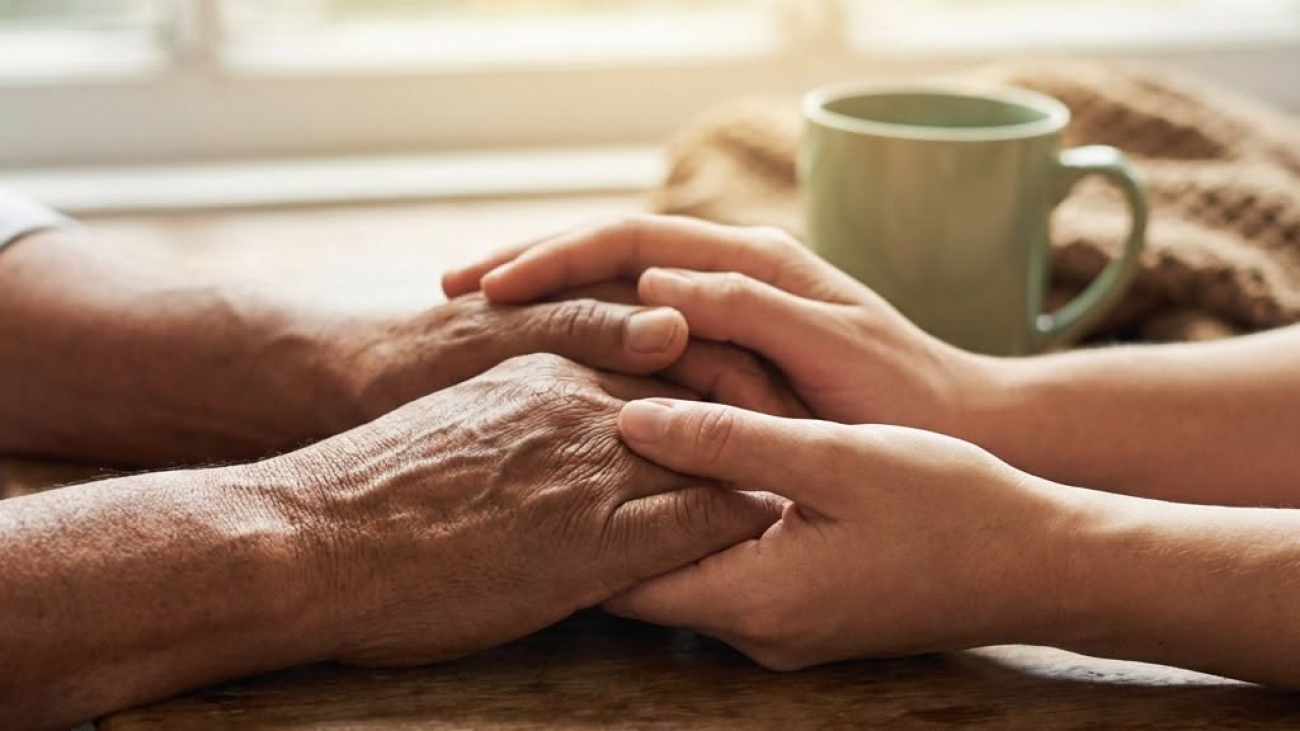
This is why we must continue to support our sick family members and friends. Check on them. Call them. Sit with them. Listen to them. Pray for them.

Sometimes, they do not need us to have the right words. They simply need to know that someone cares, that they are remembered, and that they do not have to walk through their difficult days feeling forgotten.

May Allah ease the suffering of every sick person, grant them shifā’, strengthen their families, and give them patience and comfort through every trial. And may He remind all of us that our health, our strength, and our lives are blessings that can change in ways we never expect.

Be kind. Check on someone today. You never truly know what another person is carrying.

Umm Sumayyah Mai