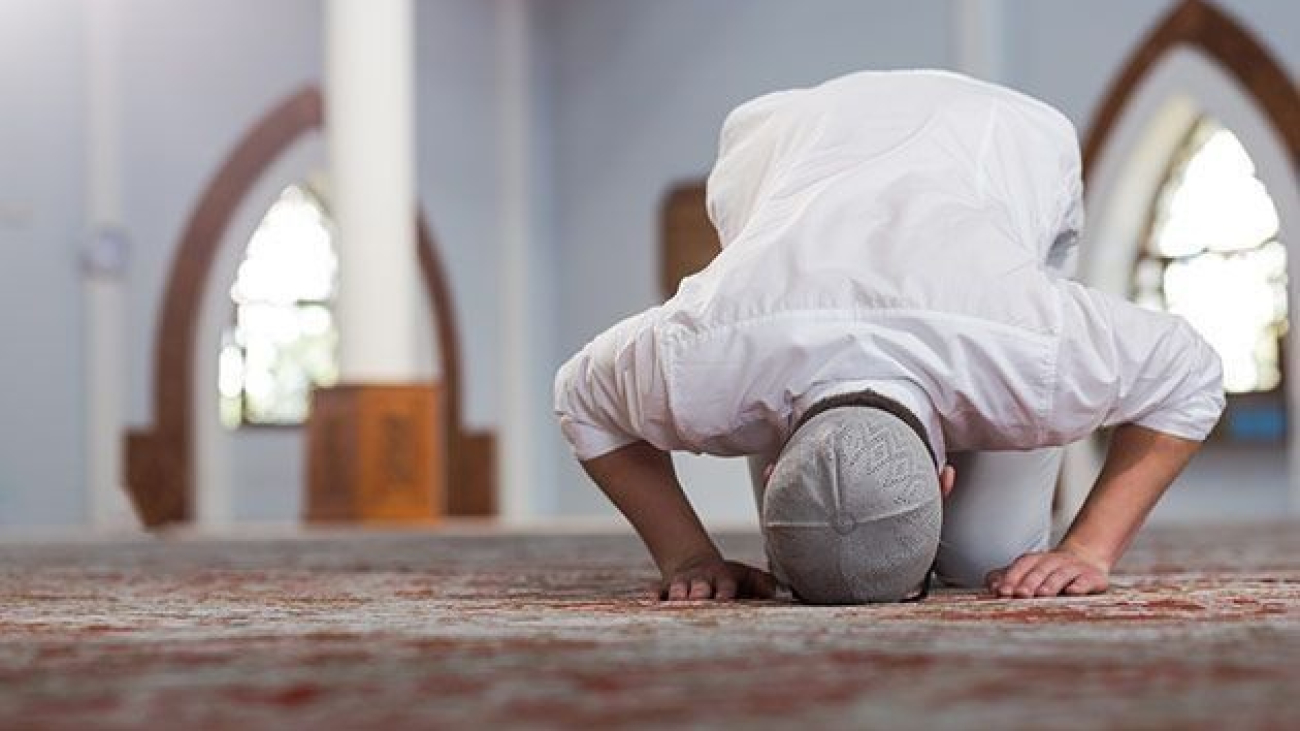
A Muslim Man Praying

Repent sincerely to Allah this Ramadan

Before the month slips through your fingers… Before the nights fade… Before your name is written among those who witnessed it but did not change…

Turn back to Him.

Allah is not waiting to punish you. He is waiting for you to return.

He says:
“O My servants who have transgressed against themselves, do not despair of the mercy of Allah. Indeed, Allah forgives all sins.” (Qur’an 39:53)

Ramadan is not just about fasting from food. It is about fasting from sin. It is about softening a heart that has hardened. It is about tears in the quiet of the night when no one sees you but Allah.

Repent sincerely. Not just with your tongue — but with your heart. Feel regret. Stop the sin. Make a firm intention never to return. And if it involved someone else, make it right.

Do not delay tawbah. We plan for Eid. But none of us are guaranteed tomorrow.

Perhaps this Ramadan is your return. Perhaps this Ramadan is your rescue. Perhaps this Ramadan is your last.

So say: Ya Allah, I am weak. Forgive me. Clean my heart. Bring me back to You.

And know — He loves when His servant comes back.

May Allah accept our repentance, purify our hearts, and make this Ramadan the beginning of a new life for us. Ameen.

Umm Sumayyah Mai

images

When Your Prayer Is Finally Answered

Ramadhaan is the month of whispered tears and raised hands. It is the month when hearts soften, when the night stretches long enough for secrets to pour out in sujūd, and when the believer dares to ask for what once felt impossible.

In these blessed nights, you beg. You repeat the same duʿā’. You hold onto hope even when the answer seems delayed.

And then — one day — it happens.

The prayer is finally answered.

Perhaps it was the child you longed for. Perhaps it was healing after months of fear. Perhaps it was peace in your home. Perhaps it was guidance after confusion. Ramadhaan carries a promise from Allah: “And when My servants ask you concerning Me — indeed I am near. I respond to the call of the supplicant when he calls upon Me…” (Qur’an 2:186)

Notice where this verse sits — in the middle of the verses about fasting. As if Allah is saying: While you fast, while you sacrifice, while you discipline your soul — call upon Me. I am near. And when the answer finally comes, your heart trembles. You remember the nights you cried when no one saw you. You remember the sujūd that felt heavy with longing. You remember the Laylatul-Qadr you begged on, not knowing if it was the night.

And now you see — Allah was always listening.

Look at Zakariyya. He called upon Allah quietly, fearing old age and fearing that hope had passed him. Yet Allah responded with Yahyā, a child of purity and prophethood. The answer did not come immediately — but it came perfectly.

Look at Ayyub. Years of illness. Years of patience. And when relief arrived, it arrived completely — restoring health, family, and honour.

Ramadhaan teaches us something beautiful: delay is not neglect. Silence is not rejection. Allah answers in three ways — He gives you what you ask, He removes a harm you did not see, or He stores for you something greater in the Hereafter.

So when your prayer is finally answered this Ramadhaan, do not only celebrate the gift — celebrate the Giver. Fall into sujūd again. Whisper Alhamdulillāh until your heart settles. Guard the blessing with gratitude. Because the same Allah who answered you once is the One who carried you through the waiting. And perhaps the greatest miracle was not just that the duʿā’ was answered…
But your heart never stopped believing it would be.

Umm Sumayyah Mai

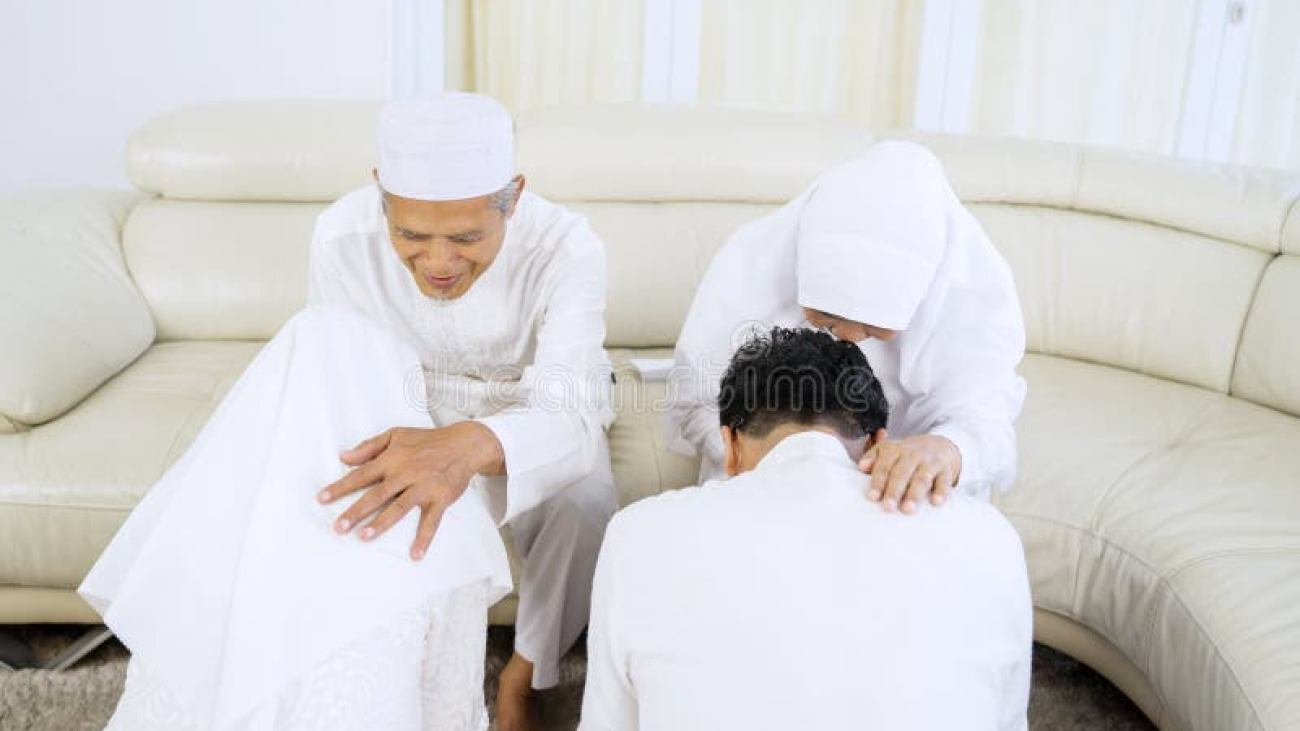
portrait-old-parents-forgiving-their-children-celebrating-eid-mubarak-living-room-old-parents-forgiving-their-children-179555758

Your Parents – Your Means of Jannah

Ramadan is the month of mercy, forgiveness, and elevation. But many of us search for grand acts to enter Jannah while neglecting one of the greatest doors already open in our homes — our parents.
Allah mentions kindness to parents immediately after commanding worship of Him alone. That is not a coincidence. It is priority.

Your parents are not just family.
They are your test.
They are your responsibility.
They are your means to Jannah.

The Messenger of Allah ﷺ said that Paradise lies under the feet of the mother, and he warned against displeasing one’s parents. If your mother calls you during Ramadan while you are reciting Qur’an — answer her with softness. If your father corrects you — lower your voice. If they are aging — increase your patience. Ramadan is not only about long Tarāwīḥ and abundant dhikr. It is about purified character. And nothing purifies the soul like serving those who once served you helplessly.

Not everyone gets to care for their parents in old age. Some lose them early and would give anything for one more chance to serve them.
If your parents are alive this Ramadan — you are carrying a treasure.

Cook for them.
Make du‘ā’ for them.
Ease their burdens.
Sit and listen to them.
Even a glass of water given with sincerity can outweigh years of optional worship.

Some relationships are strained. Some hearts are hurt. But Ramadan is the month of reconciliation.

Forgive.
Overlook.
Speak gently.

Your reward is not based on how they treat you — it is based on how you respond for the sake of Allah.Rabbirḥamhumā kamā rabbayānī ṣaghīrā.”
My Lord, have mercy upon them as they raised me when I was small. Make this du‘ā’ daily in Ramadan. Jannah is not always reached through extraordinary acts. Sometimes it is reached through:

Holding your mother’s hand
Speaking gently to your father
Making sincere du‘ā’ for them in sujūd

Do not let Ramadan pass while you are chasing Laylatul Qadr but neglecting the people who carried you before you could walk. Your parents are not a burden.

They are a blessing.
They are a trust.
They are a door — and perhaps your easiest door — to Jannah.

May Allah make us children who are a comfort to our parents in this world and a means of elevation for them in the next. Āmīn.

Umm Sumayyah Mai

download (19)

Renew Your Tawbah with Allah

Life is fragile. Every sunrise is a gift. Every breath is a mercy. Yet none of us knows when our final moment will arrive. Death does not send an invitation. It does not wait for our plans. It comes by the decree of Allah.

This is why renewing your tawbah (repentance) is not optional — it is preparation for meeting your Lord. Even the best of us slip. We sin knowingly and unknowingly. Our tongues speak what they shouldn’t. Our hearts hold what they shouldn’t. Our eyes look where they shouldn’t.

But the beauty of Islam is this: Allah loves when His servant returns. The Prophet ﷺ, would seek forgiveness more than 70 times a day — and he was already forgiven. What then of us? Renewing tawbah: Softens the heart, erases sins, lifts spiritual heaviness, brings inner peace, prepares the soul for its return and tawbah is preparation for death

One day, the Angel of Death will come. On that day:
There will be no more chances. No more later.
No more delaying repentance. Imagine meeting Allah with a heart cleansed by sincere tears, regret, and hope. Imagine standing before Him having turned back, again and again, every time you fell.

Is that not the most beautiful provision?

Umm Sumayyah Mai

4e714925ae9748be959f7c3d36e9d70a

Consistency in Deeds This Ramadan

Ramadan is not a month of temporary passion—it is a month of steady transformation. Many begin the first nights with strong energy: long prayers, lengthy recitation, heartfelt du‘ā’. However, as the days pass, fatigue can begin to set in. This is where consistency becomes more beloved than intensity.

The Messenger of Allah ﷺ taught that the most beloved deeds to Allah are those that are consistent, even if they are small. In Ramadan, this lesson shines even brighter. A few pages of the Qur’an read every day are better than finishing large portions once and then neglecting them. Two sincere rak‘ahs prayed nightly are better than one exhausting night followed by heedlessness. A daily act of charity—even a small one—keeps the heart soft and connected to Allah.

Ramadan is not about overwhelming yourself; it is about forming habits that will last long after the moon departs. Consistent dhikr, steady istighfār, regular charity, and guarded speech—these are the deeds that shape the soul.

This month is a training ground. If we can be consistent for thirty days, we can carry that discipline into the rest of the year. Let your worship be steady. Let your repentance be daily. Let your connection to Allah be constant.
For it is not the loudest worship that transforms a believer—but the most consistent one.

Umm Sumayyah Mai

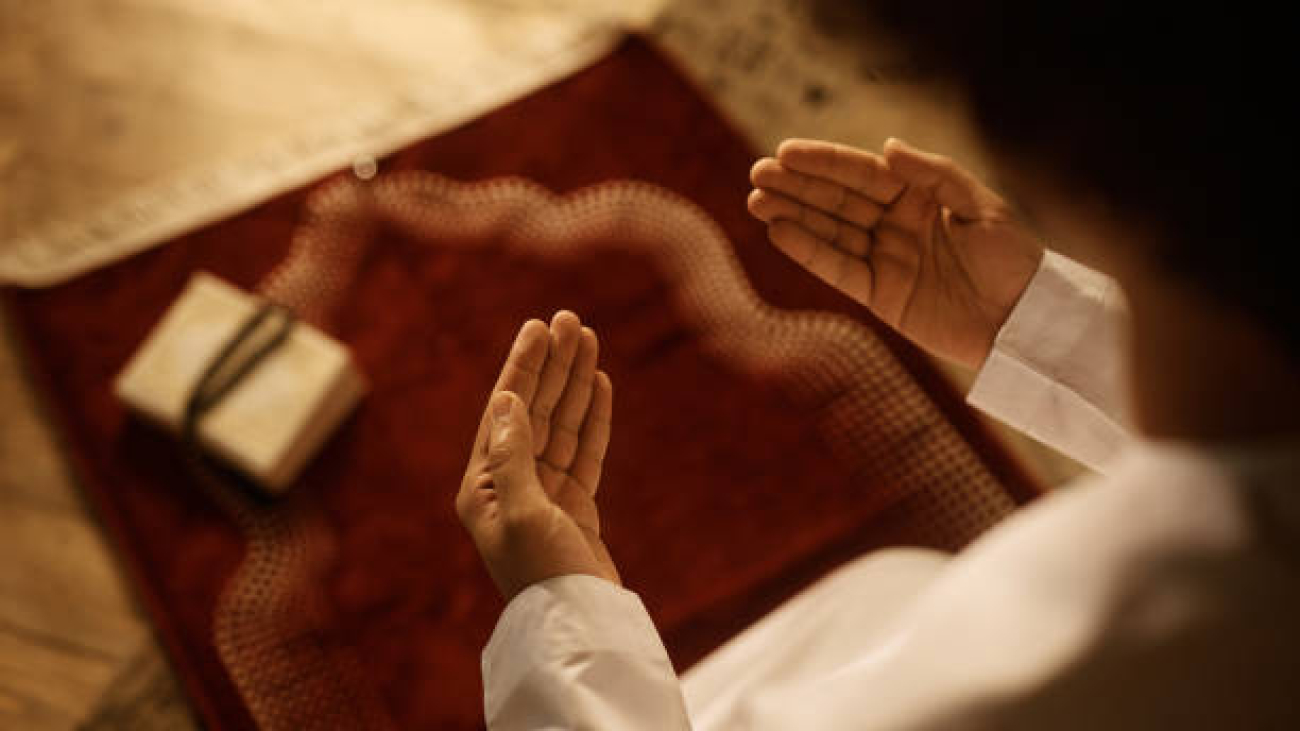
Close up of Middle Eastern man praying while sitting on traditional prayer mat at home.

Let’s Begin with Gratitude

Before the fast begins, before the nights fill with Qur’an and duʿāʾ, before our hearts tremble with hope and fear—let us begin with gratitude.

Gratitude to Allah, the Most Merciful, who chose us to witness another Ramadan while many souls were returned to Him since the last. Gratitude for life in our veins, īmān in our hearts, and the gentle knock of this blessed month upon our doors.

Ramadan is not guaranteed. It is a gift—unearned, undeserved, yet lovingly bestowed. To wake up knowing we will fast again, prostrate again, weep again in sujūd, and whisper our secrets to Allah in the quiet of the night is a mercy beyond measure.
How many wished for just one more Ramadan?
How many planned to change “next year” but never arrived? Yet here we are—invited once more.

Gratitude humbles the heart. It reminds us that Ramadan is not a burden, but an honor. Not a routine, but a rare appointment with Allah. Every hunger pang is a reminder that we are alive to worship. Every sunset call to ifṭār is a testimony that Allah sustained us through another day. Every night prayer is proof that He still wants to hear our voices.

When we begin Ramadan with gratitude, our worship deepens. We fast not merely from food, but from heedlessness. We pray not out of habit, but out of love. We repent not casually, but with broken hearts—thankful that the door of tawbah remains wide open.

Let gratitude soften us. Let it cleanse our intentions. Let it silence complaints and awaken awe. For gratitude transforms Ramadan from a calendar month into a sacred journey—one that reforms hearts, renews souls, and redraws our relationship with Allah.

So as the moon is sighted and intentions are made, whisper sincerely:

O Allah, thank You for allowing me to reach Ramadan. Thank You for not giving up on me. Help me worship You in a way that pleases You, and accept it from me.

Begin with gratitude—and let Ramadan change you.

Umm Sumayyah Mai

Free Photo _ Lantern and a Book on a Table for Ramadan Kareem Muslim Pray Time_

Ramaadan Time Table

1 . Observe Qiyam Layl
Seek Allah’s s forgiveness during this period. Read the Quran and reflect on the meaning (Tafsir Ibn Khathir). Make lots of lstigfaar.

2.  Say your (Morning & Evening) AdKhar

3 . Observe Solatul Dhuha
Make lots of Dua for yourself and your family. Remembrance of Allah at this time is essential.

4.  Do not forget the Rawatib.
The Prophet ﷺ said:
“Allaah will build a house in Heaven for whoever is diligent in observing 12 Sunnah Rak’aat (as follows): 4 Rak’aat before and 2 after the Dhuhr (Midday) Prayer, 2 after the Maghrib (Sunset Prayer), 2 after the Ishaa (Evening) Prayer, and 2 before the Fajr (Dawn) Prayer.”
[Hadith sahih narrated by at-Tirmidhi No. 379 and by others. Hadith No. 6183 in Sahih al-Jaami].

5.  Read the Quran after every Solaawat, the better.

The method of completing the Qur’an in (30 days) every day, involves completing a portion of the Qur’an

Al-Fajr: 4 Pages
Zuhur: 4 pages
Al-Asr: 4 pages
Magrib: 4 pages
Isha: 4 pages

The method of completing the Qur’an (15 days) every day has two parts
Al-Fajr: 8 Pages
Zuhur: 8 pages
Asr: 8 pages
Magrib: 8 pages
Isha: 8 pages

The method of completing the Qur’an in (12 days) is two and a half parts every day
Al-Fajr: 10 Pages
Zuhur: 10 pages
Asr: 10 pages
Magrib: 10 pages
Isha: 10 pages

The method of completing the Qur’an (10 days) every day has three parts
Al-Fajr: 12 Pages
Zuhur: 12 pages
Asr: 12 pages
Magrib: 12 pages
Isha: 12 pages

This program is for people of high determination
The method of completing the Qur’an for (6 days) every day has five parts
Al-Fajr: 20 Pages
Zuhur: 20 pages
Asr: 20 pages
Magrib: 20 pages
Isha: 20 pages

6.  Listen to beneficiary lectures and perhaps Fiqh of Ramadhaan.

7.  Listen to Audio Q’uran recitation while you are walking, cleaning, and even when on the wheel.

8.  Read & Memorize some portion of the Quran & Hadith and or your chosen Islamic Books.

9.  Listen to or attend the Tafseer of the Quran lecture. Learn or read to know the meaning of the Quran. Ramadhan is the month of the Quran.

10. Be close to the Masjid the better.

11. Make Lots of Du’a
Make a list of your wants. And be optimistic about them. Allah answers prayers.

12. Go to Umrah, the best.
Umrah (performed) in Ramadan is equal to Hajj (in reward). Al-Bukhari and Muslim

Allahuma Balignaa Ramadaan!

Lantern that have moon symbol on top and small plate of dates fruit with night sky and city bokeh light background for the Muslim feast of the holy month of Ramadan Kareem.

Ramadan is Almost Here!

I could not be happier. The Month of Allah is upon us, and our hearts are filled with excitement as we prepare to welcome it.

As Ramadan approaches, what are you planning for yourself and your loved ones? What intentions are you setting? What habits are you ready to leave behind? What duʿā’ have you been waiting to whisper in the last third of the night?
If anything is weighing heavily on your soul, be calm. Be hopeful in the Mercy of Allah.

Ramadan comes as a healer — a gentle reminder that no sin is too great for forgiveness, no heart too broken for repair, and no servant too far to return.

I can feel the serenity settling in my chest.
I can feel the love Ramadan carries for us.
I can feel the doors of mercy slowly opening.
This is the month of the Qur’an.
The month of forgiveness.
The month of renewed beginnings.
The month where tears fall softly and hearts rise higher.

O Allah, allow us to reach Ramadan.
Allow us to witness Laylatul Qadr.
Allow us to fast with sincerity and pray with humility.
Cleanse our hearts. Strengthen our īmān. Unite our families. Accept from us.
O Allah, we are grateful.

Thank You, Allah. Only You deserve all praise.
Let this Ramadan not pass us unchanged. Let it transform us — in our character, our worship, our patience, and our love for one another.
May we enter it with hope and leave it forgiven.

Āmīn.

Umm Sumayyah Mai

istock_000023897960small

Make a Difference, Be a Positive Influence

In a society filled with fitna and detachment from the reality of death and resurrection, and the accountability that comes with standing before Allah one day, it’s crucial to be a Ghuraba, even if you’re the only one. The boundaries some of us are crossing shouldn’t be emulated by the rest of us. The truth is, you’re not like them, and they’re not like you. What makes you unique is your obedience to Allah, even when it’s apparently difficult.

I live in the West and work as a Registered Nurse in a reputable hospital. I’m always the only one who comes to work fully dressed in a long skirt, accompanied by a long undertop and a uniform blouse with hijab and niqab. I interact with everyone respectfully, without fear or intimidation, and speak clearly and convincingly when needed.

What am I driving at?

As a Muslimah, always be conscious of your environment and accountable for what you stand for. It’s easy to follow the crowd and get distracted without realizing it. Instead, ask yourself: ‘Is my action in line with what my religion stands for?’ If you acknowledge that an action doesn’t align, promise yourself not to do it, even if thousands are doing it. Be the change; be the one different from the thousands. Show bashfulness when it’s least expected of you.

By Allah, you’ll be what Allah wants you to be. Your success and sustenance depend solely on Him. Be a Ghuraba in the face of fitna. May Allah keep us steadfast and accept all our sacrifices for Islam.

– Umm Sumayyah Mai

Divorce Can Be Extremely Tough

Beyond the emotions of letting go of someone you once loved, the struggles of getting it right the second time can be overwhelming. Watching a sister share her recent divorce struggles on YouTube, I felt her pain deeply.

People choose divorce for their own reasons, and it’s not our place to question them. While I advocate for patience and perseverance when issues can be resolved, I’ve seen those grateful for their decision to leave and those who wish they hadn’t. What’s even more heartbreaking are those whose new marriages don’t work out either. May Allah protect us.

Know that Allah is aware of your plight; don’t stop asking Him for the best. If reconciliation is possible and you can forgive each other, your sacrifice will be rewarded in both worlds. However, prioritize your safety if you’re in an abusive marriage. Let’s emphasize the importance of emotional kindness, especially for our men. May Allah ease this sister’s affairs and grant her the best.

– Umm Sumayyah Mai