One of the most overlooked aspects of parenting is teaching children how to accept that they are wrong.
We spend considerable time teaching our children how to speak, read, write, pray, study, respect elders, and behave appropriately. We correct their mistakes, remind them of their responsibilities, and expect them to make good decisions.
But how much time do we spend teaching them how to admit when they are wrong without becoming defensive, making excuses, shifting blame, or feeling humiliated?
This is important because a child who cannot accept correction may eventually become an adult who struggles with accountability.
A child who is always defended, even when clearly wrong, may grow up believing that being loved means being shielded from the consequences of their actions.
A child who is never allowed to explain themselves may also grow up associating correction with rejection.
There is a balance we must learn as parents.
We must create an environment where our children feel safe enough to tell us the truth, even when that truth reveals their mistakes. At the same time, we must teach them that honesty does not exempt them from accountability.
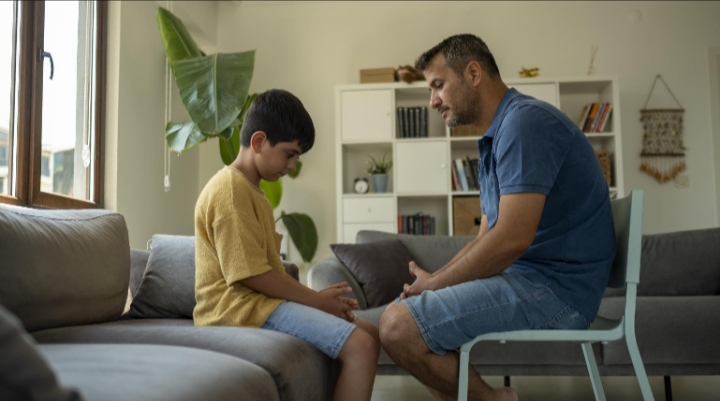
When your child hurts someone, teach them to apologise sincerely.
When they lie, teach them that telling the truth is more honourable than protecting a lie.
When they fail, teach them to examine what went wrong rather than blame everyone around them.
When they are corrected, teach them that correction is not necessarily an attack on their personality.
And perhaps most importantly, let them see you apologise when you are wrong.
Dear parents, we cannot consistently demand accountability from children while modelling the opposite in our own lives.
Our children are watching how we handle disagreements, how we respond when challenged, how we treat people we have offended, and whether we can admit our own shortcomings.
Remember, the goal of parenting is not to raise children who believe they are always right. It is to raise children who have the humility to recognise when they are wrong, the courage to admit it, and the willingness to make things right.
These are qualities that will serve them in their marriages, friendships, workplaces, communities, and, most importantly, in their relationship with Allah.
May Allah grant us the wisdom to raise children who are not only knowledgeable but also humble, accountable, truthful, and conscious of their responsibilities before Him. Āmīn.
A thought for parents: Are we teaching our children how to defend themselves, or are we also teaching them how to examine themselves?
#Purposeful Parenting | #Raising children with intention, not merely watching them grow.
Umm Sumayyah Mai